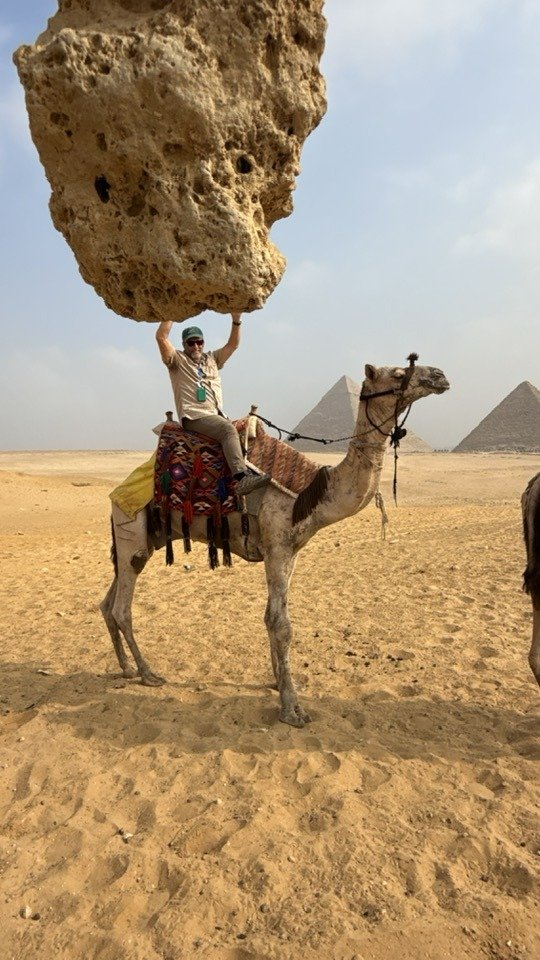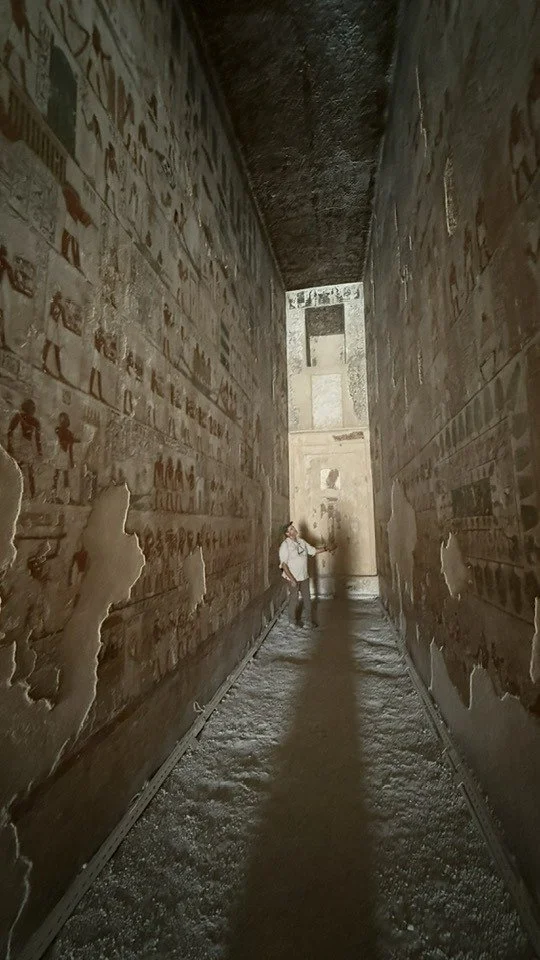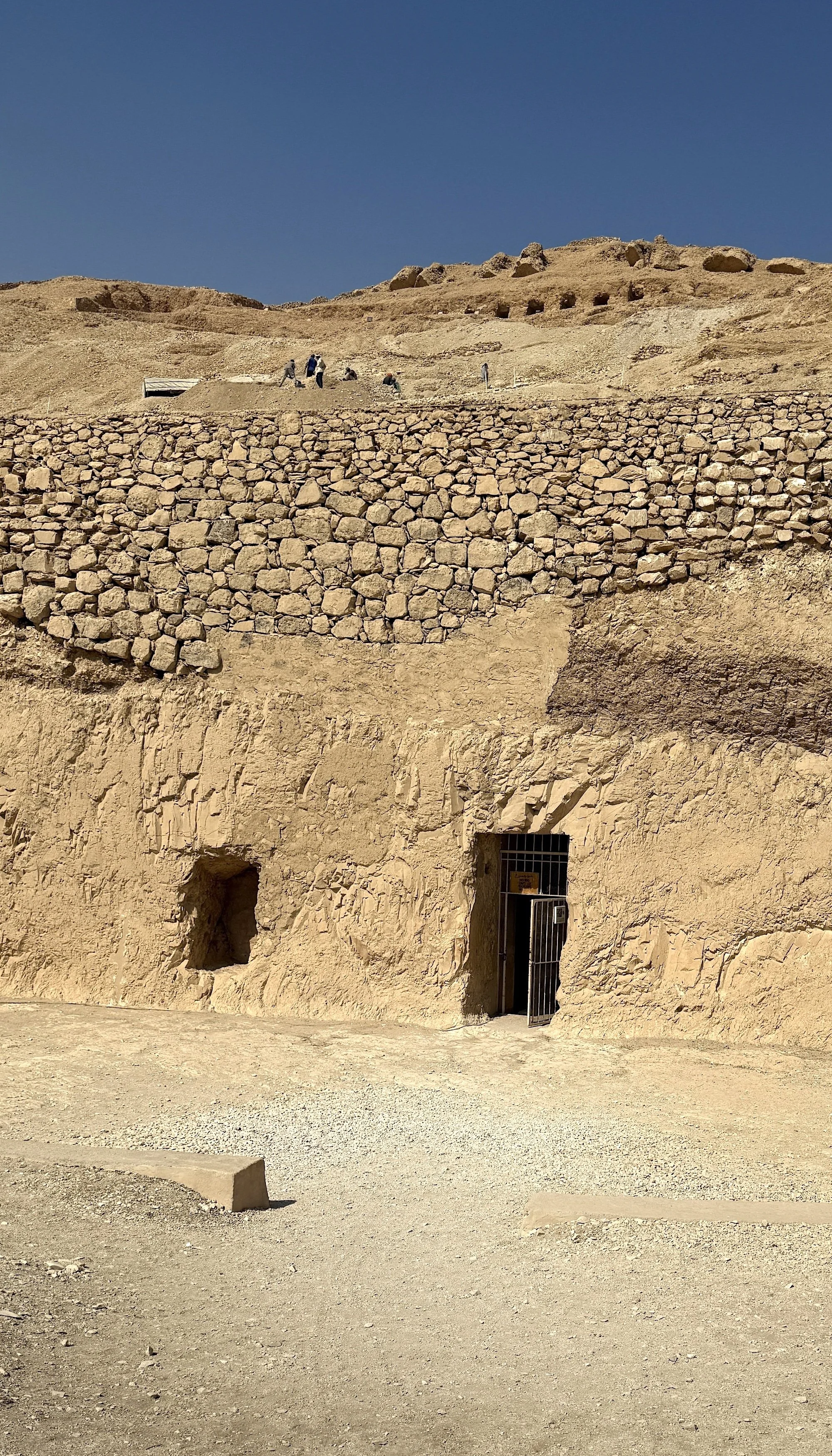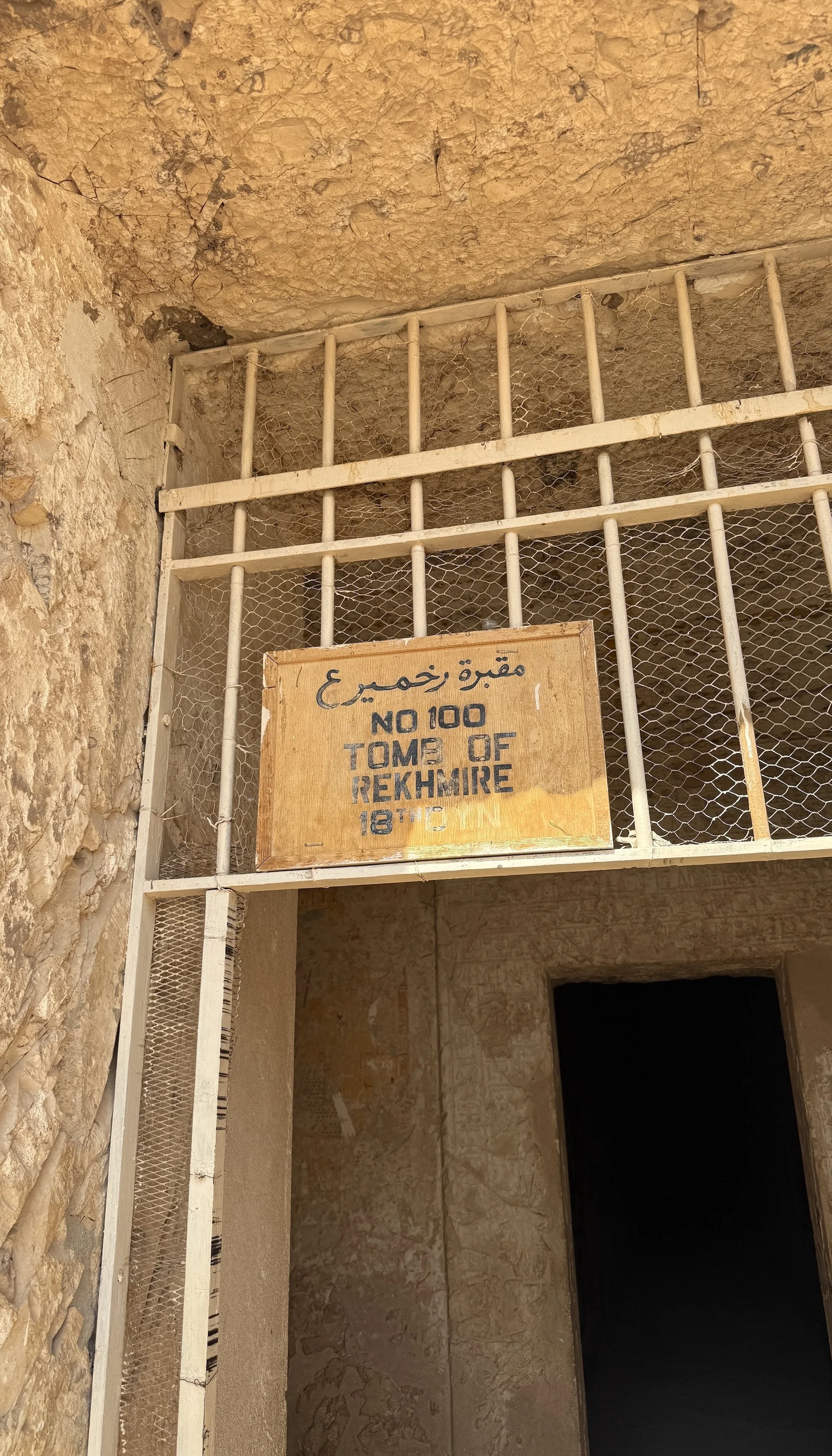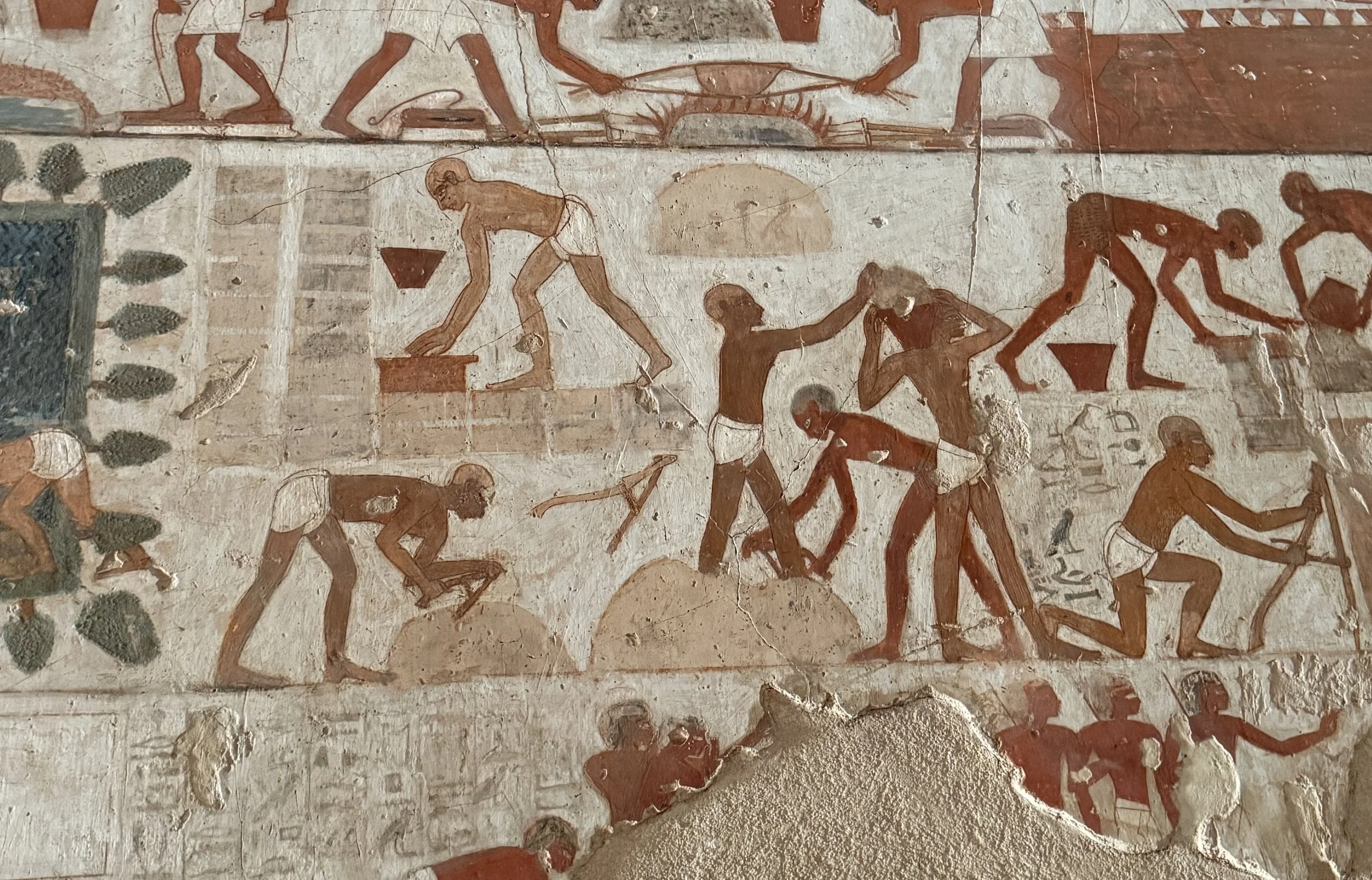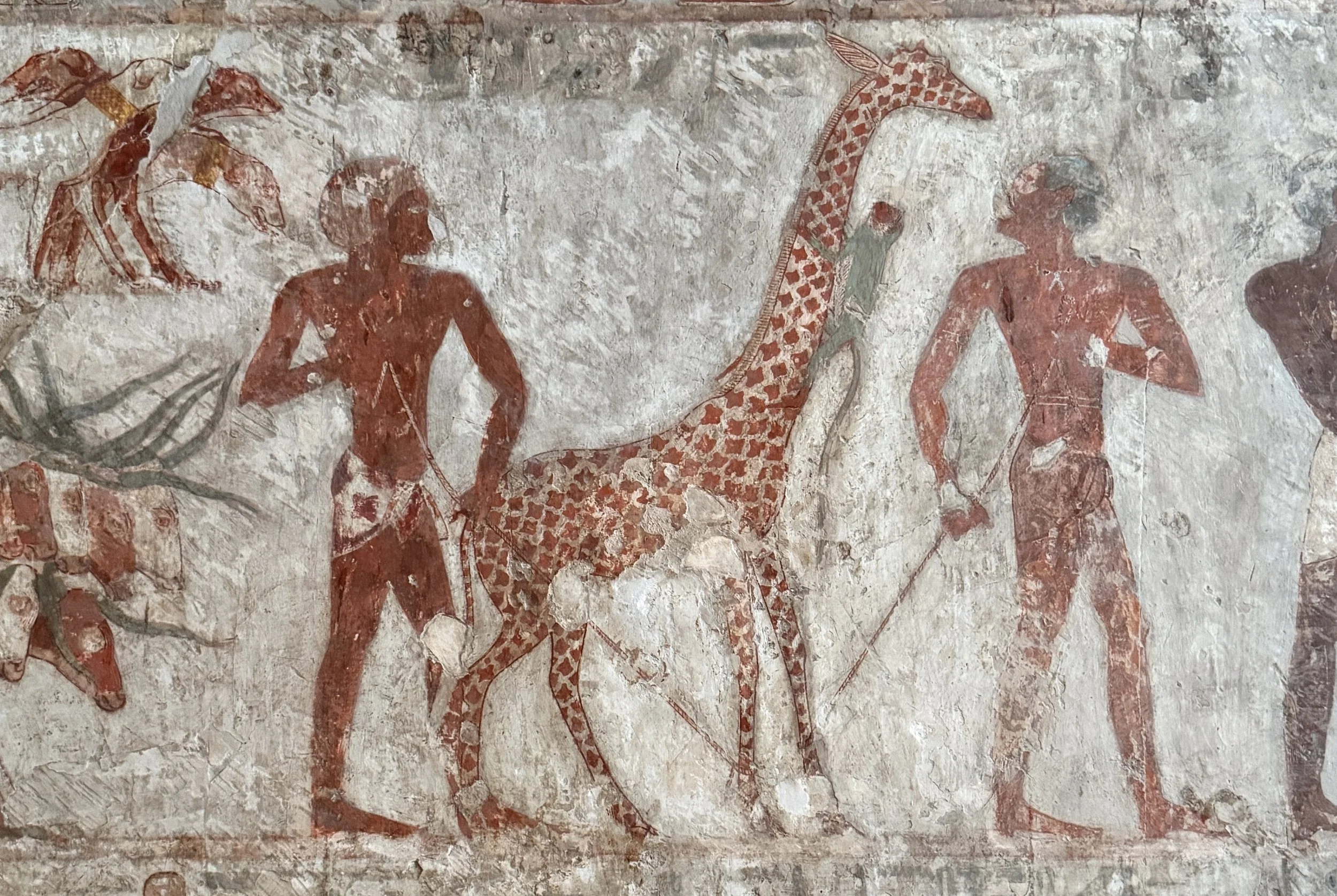
Luxor, Egypt, is a spectacular place to visit. The tombs and temples are amazing. The food is great. And the people are among the kindest you will ever meet.
An amazing hike
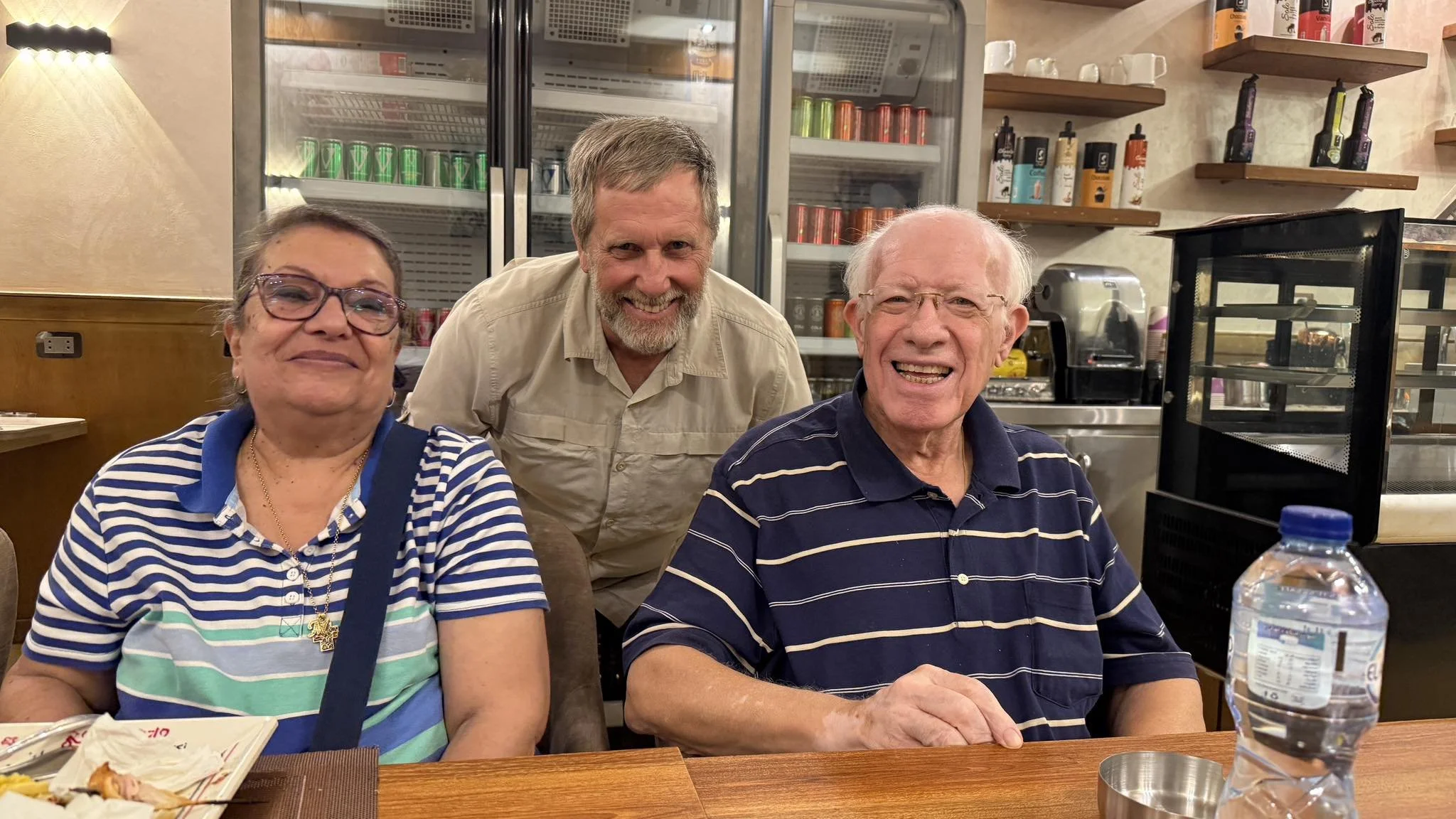
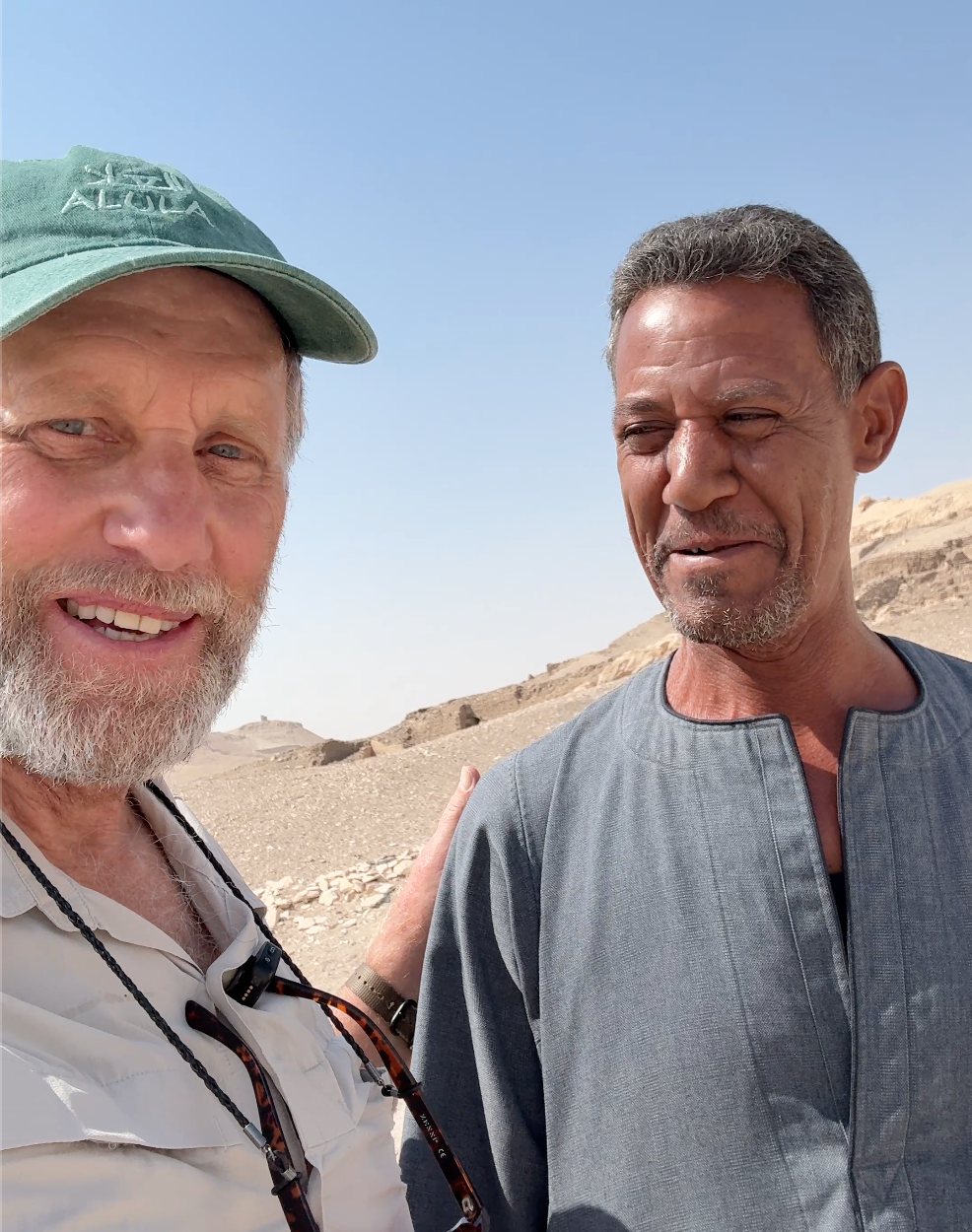
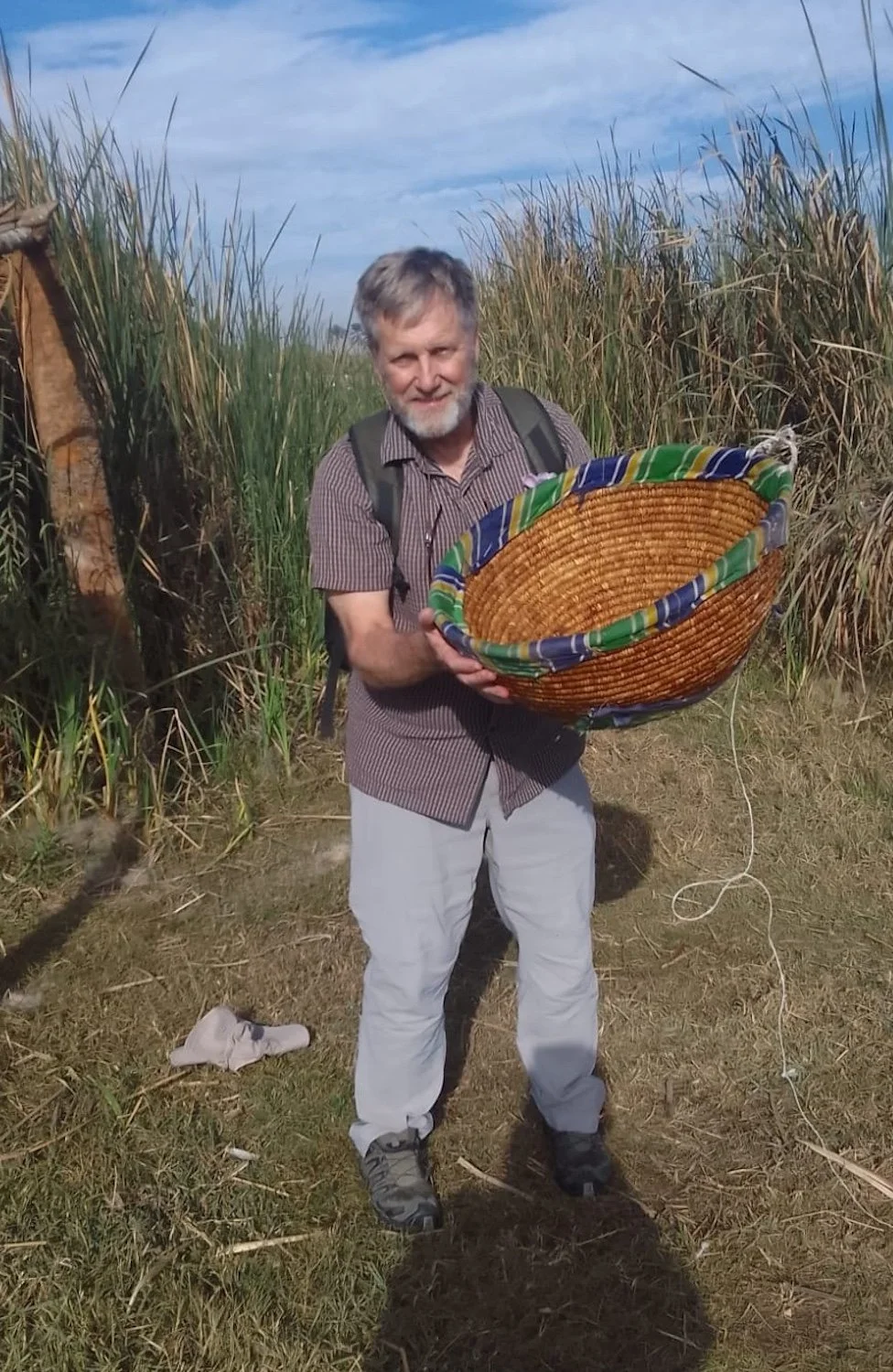
Back in 2024, I had an opportunity to nose around Luxor with my dear friend Nouby. We scurried over ruins, crawled into a tomb or two, shared tea, and enjoyed all that this area of Upper Egypt has to offer. While hiking the wetlands on the West Bank, Nouby borrowed a basket from a local woman and we took turns pitching it into the water with a rope. Of course, we chatted about the story of Mussa/Moses and how this special baby experienced a basket ride among the bulrushes (Exodus 2).
An amazing Gift
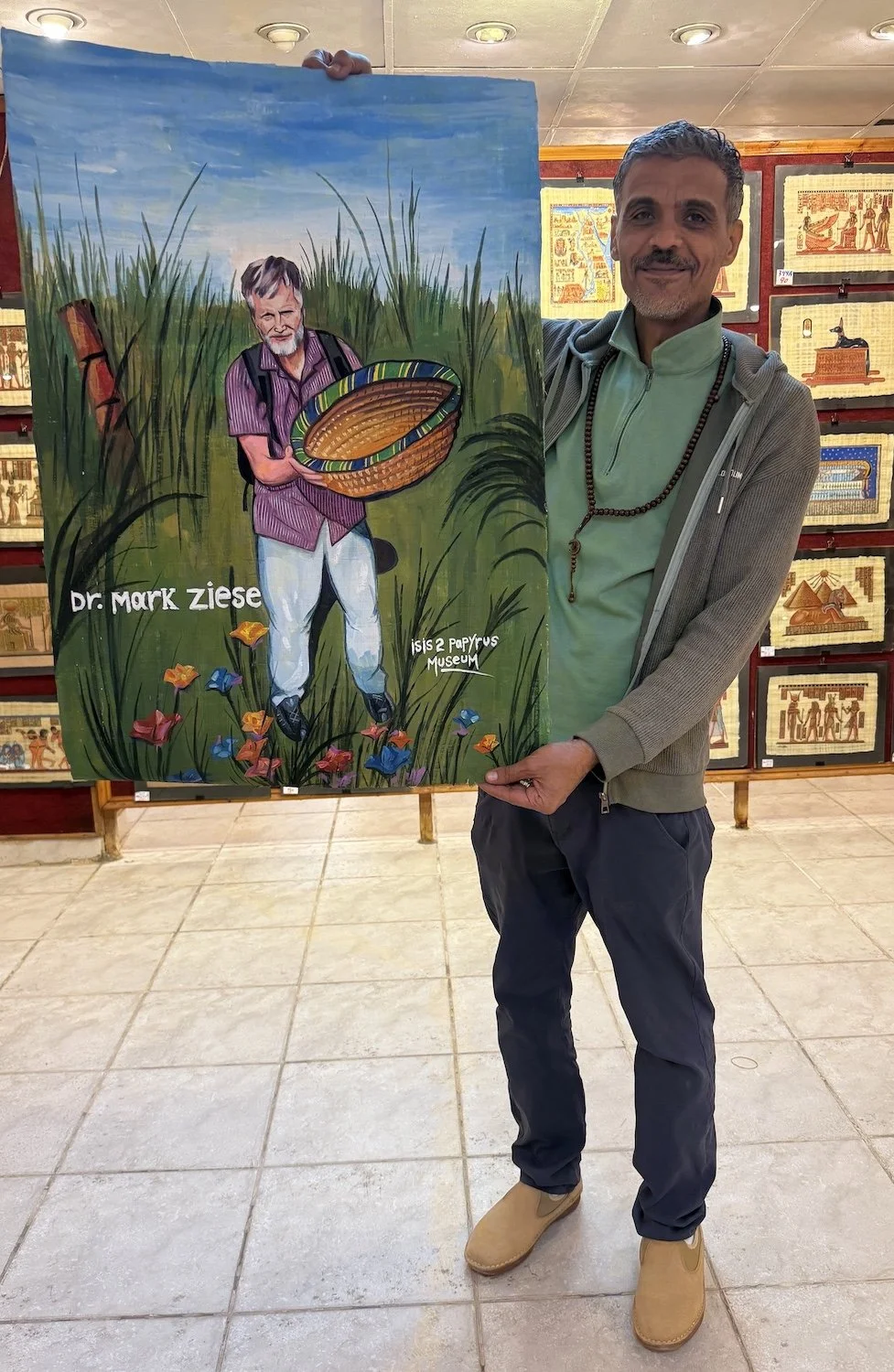
Imagine my surprise (last November) when I returned and he presented me with a painting of that memory! An artist from the Isis 2 gallery hand-painted it on a papyrus sheet. Thanks also goes to Ahmad el-Shaer, the owner of Isis 2 who made this happen. What a treasure!
Here’s the video summary of our wetland experience. Enjoy!
From crawling into ancient tombs to pitching baskets into the Nile, our time in Luxor is always unforgettable. We're retracing the steps of Moses and exploring the heart of Upper Egypt.
Some amazing opportunities
For curated itineraries that offer deeper cultural connections and biblical study, email us a BibleLandExplorer@gmail.com to learn about these four upcoming Egypt study-tours.
May 5 - 15, 2026
January 1 - 9, 2027
January 23 - February 7, 2027
March 30 - April 8, 2027
Got questions? Email us here.