
Death in the Pot!

An alarming cry was heard when the stew was served: “death in the pot!”

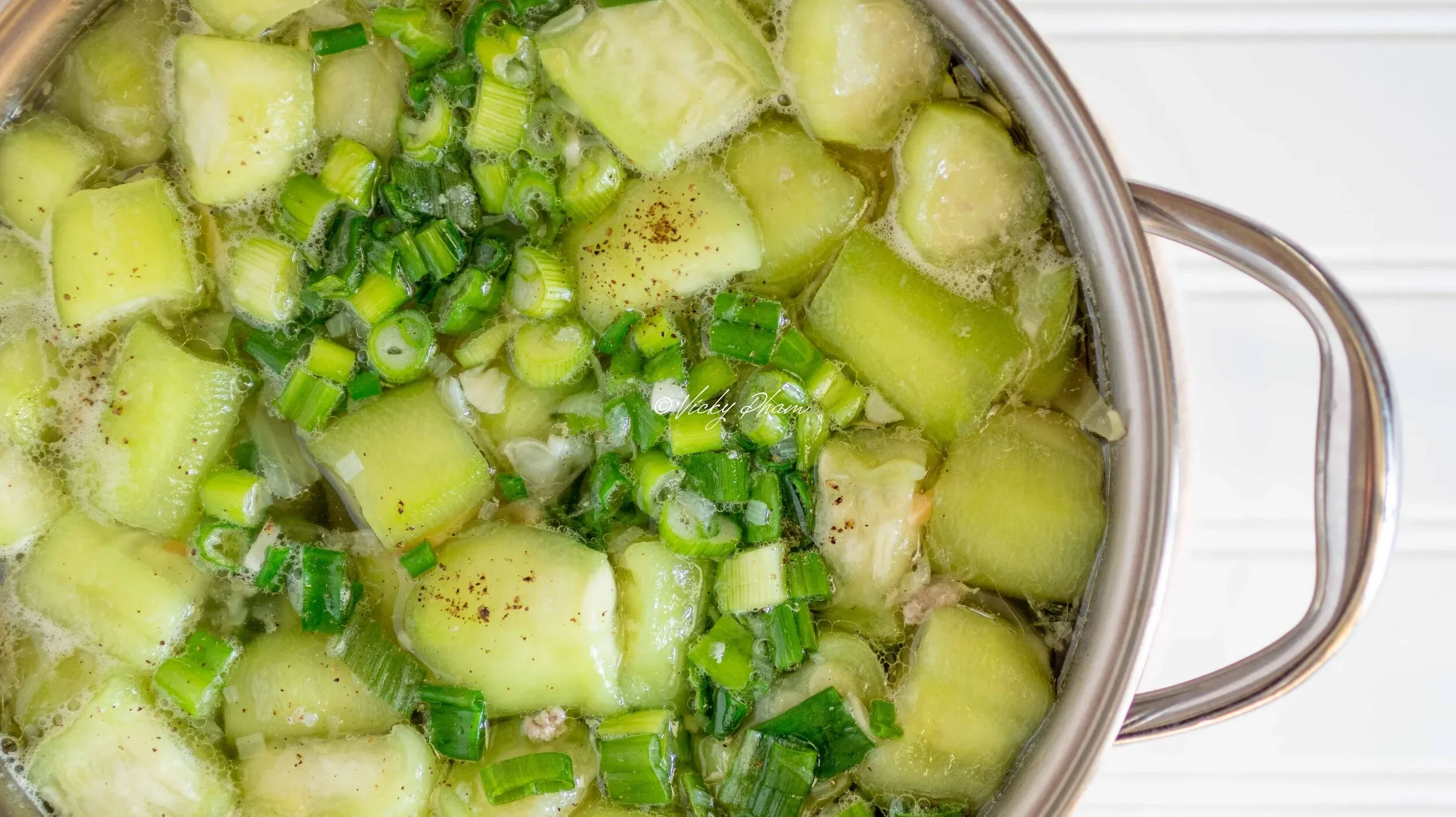
I know the sound. I’ve even been the siren. I’ve spent my life avoiding dishes with squishy veggies like okra.

As the narrative of 2 Kings 4:38-41 goes, a famine forced new food choices. A cook unwittingly added a poisonous ingredient to a stew intended to be served to a group of prophets-in-training. Fortunately, the danger was recognized before anybody went down. Elisha “healed” the meal by adding flour to the mix. It became edible.

The account is brief but baffling. A lack of explicit teaching makes it all the more odd. Was the cook unfamiliar with the plants in his area? Was he just that desperate? Who detected the poison and how? Can flour really serve as an emulsifier to “heal” such a brew? And most importantly, should the seminary cafeteria be avoided at all costs?

Interpreters often read this passage as just another item in Elisha’s impressive résumé. The prophet is “a man of God,” a miracle-worker a problem-solver. I would add a bit more. Elisha acts on behalf of YHWH to administer the antidote of life in an atmosphere of death (such as a famine).

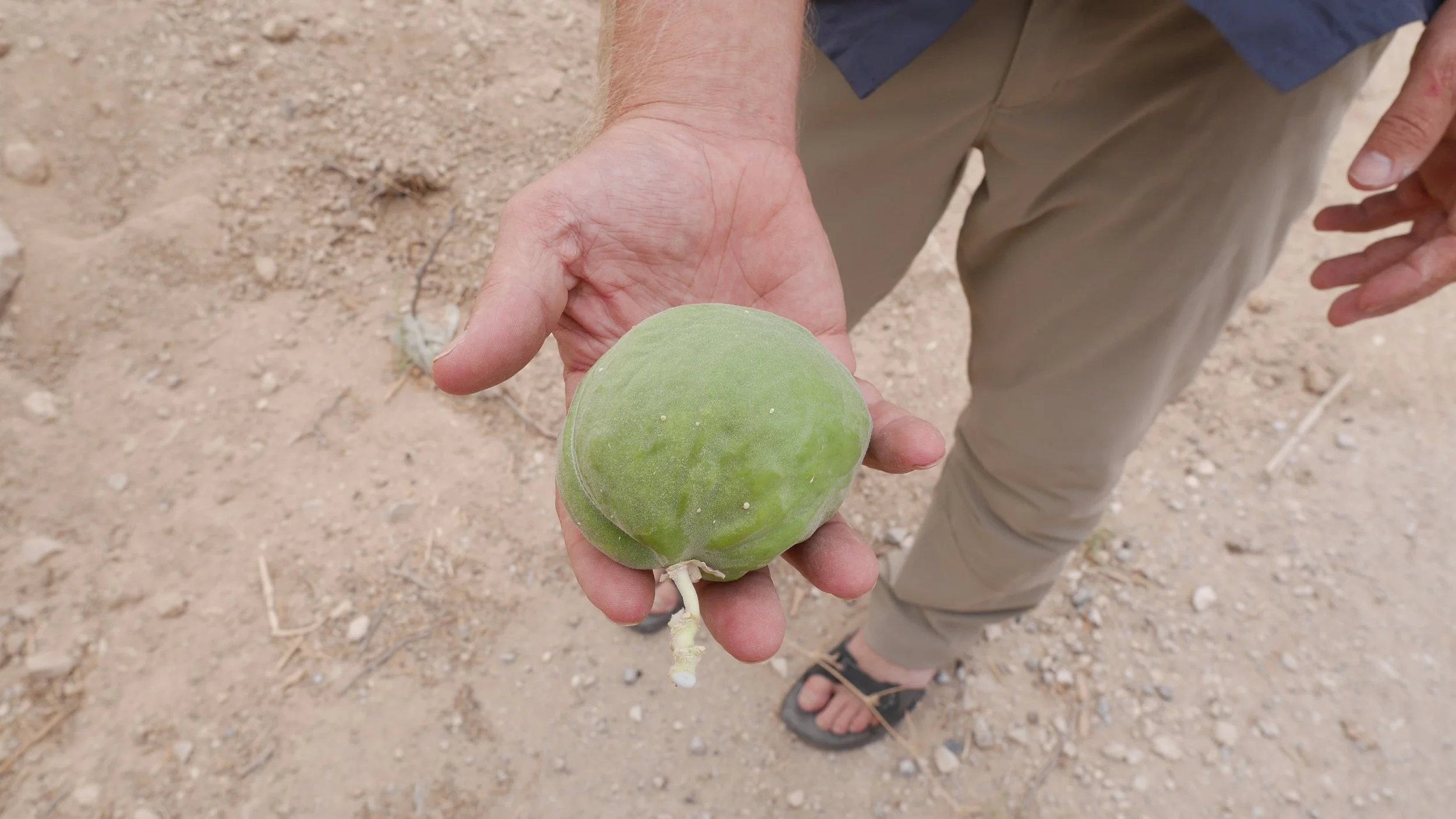
While identifying the death-dealing ingredient in the stew does little to help interpreters make sense of the story, it is part of our fascination. The word translated as “gourds” in most English bibles is drawn from the Hebrew paqquot, a rare term possibly describing a ball- or knob-shaped item. Some specialists have suggested the secret ingredient might be wild cucumber. Cucumis prophetarum is a plant found in arid areas of the biblical Heartland. It packs a bitter punch to the palate, can make your inner organs swell and pop, causes dehydration, and will slam your blood pressure. (Fun fact: the Latin Cucumis prophetarum means “prophetic cucumber” . . . and now you know the rest of the story!) No thanks. Not on my table.

Similarly, Citrullus colocynthis, colocynth, or “bitter apple,” has been suggested as our mystery ingredient. It looks like a little stripy watermelon, grows naturally in the area, and finds use in traditional medicine kits. However, as is often the case, the line between a medicine and a toxin is a fine one. The colocynth is a laxative with all the finesse of a hand grenade. It will loosen the door but it can also blow it off the hinges. Permanently. Nope. No explosive melons in the recipe please.

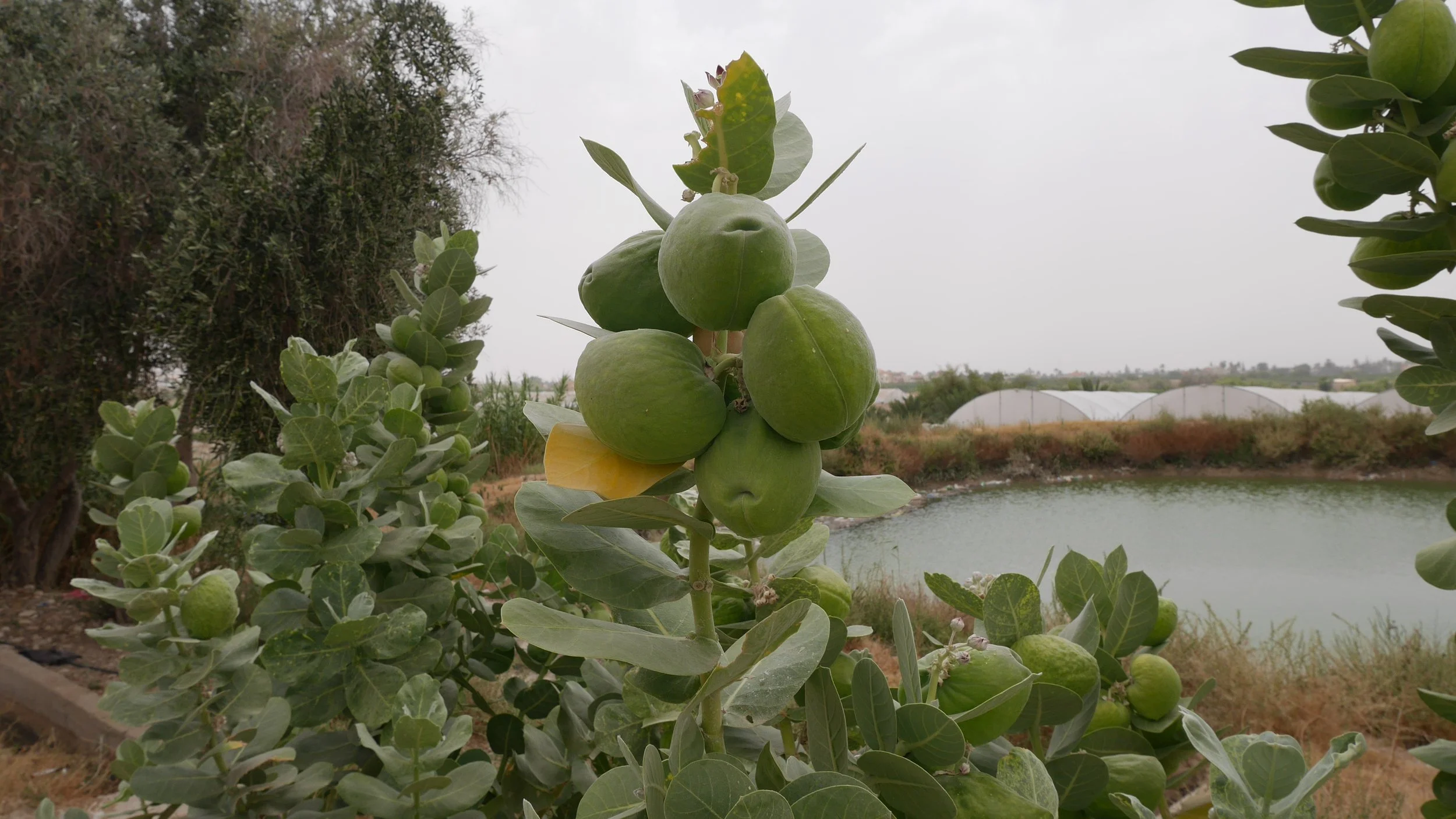
A third possibility for our stew-of-death is Calotropis procera or the “apple of Sodom.” The name itself should provoke terror. All parts of this plant contain toxins. Its milky sap can cause lesions on the skin, blindness if rubbed in the eyes, and if ingested, can initiate cardiac failure. Needless to say, this baaaaad plant makes a meal to die for! It would certainly prompt an alarming cry of “death in the pot”!

It takes a lot of faith to be a vegetarian.

Care to lean more? I wrote about Sodom apples several years ago. Check out our post here: https://www.markziese.com/stories/2015/10/22/dmdoziw72gexrz2j8bmp6du1ta16rf

Looking for a Meal

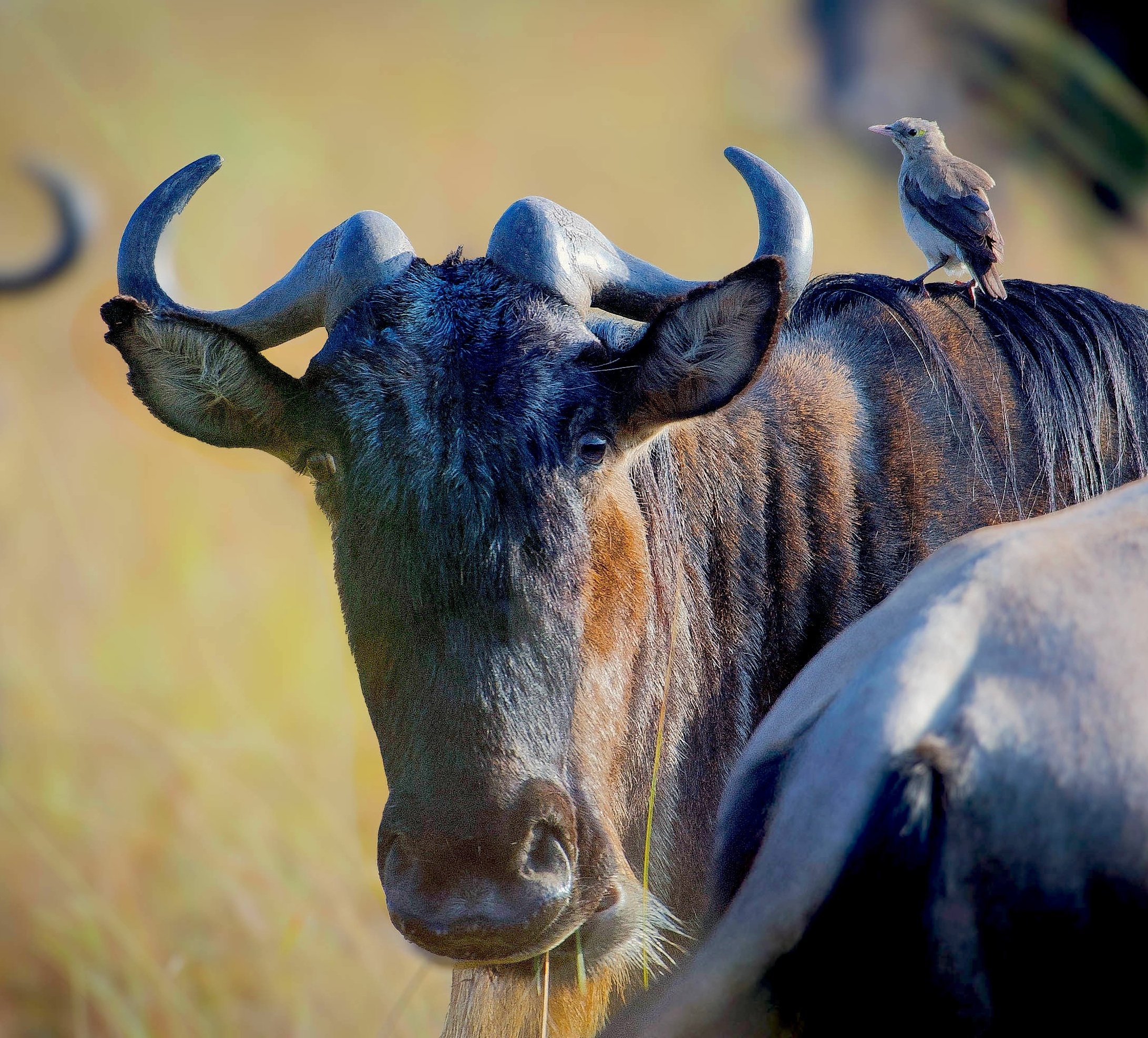
A wattled starling (Creatophora cinerea) perches on the back of a wildebeest. Lacking the distinctive black and yellow markings on its face, this starling may be a non-breeding male or a female.

Starlings hope to score a meal when hanging with their big friends. Livestock movement can stir up insects or reveal ectoparasites (like ticks, mites, or fly larvae) on their tough hide.

Either way, this bird is hungry and ready to help.

It is a good example of mutualistic symbiosis. Or cast proverbially, why we work better in teams.

Nearness over Status

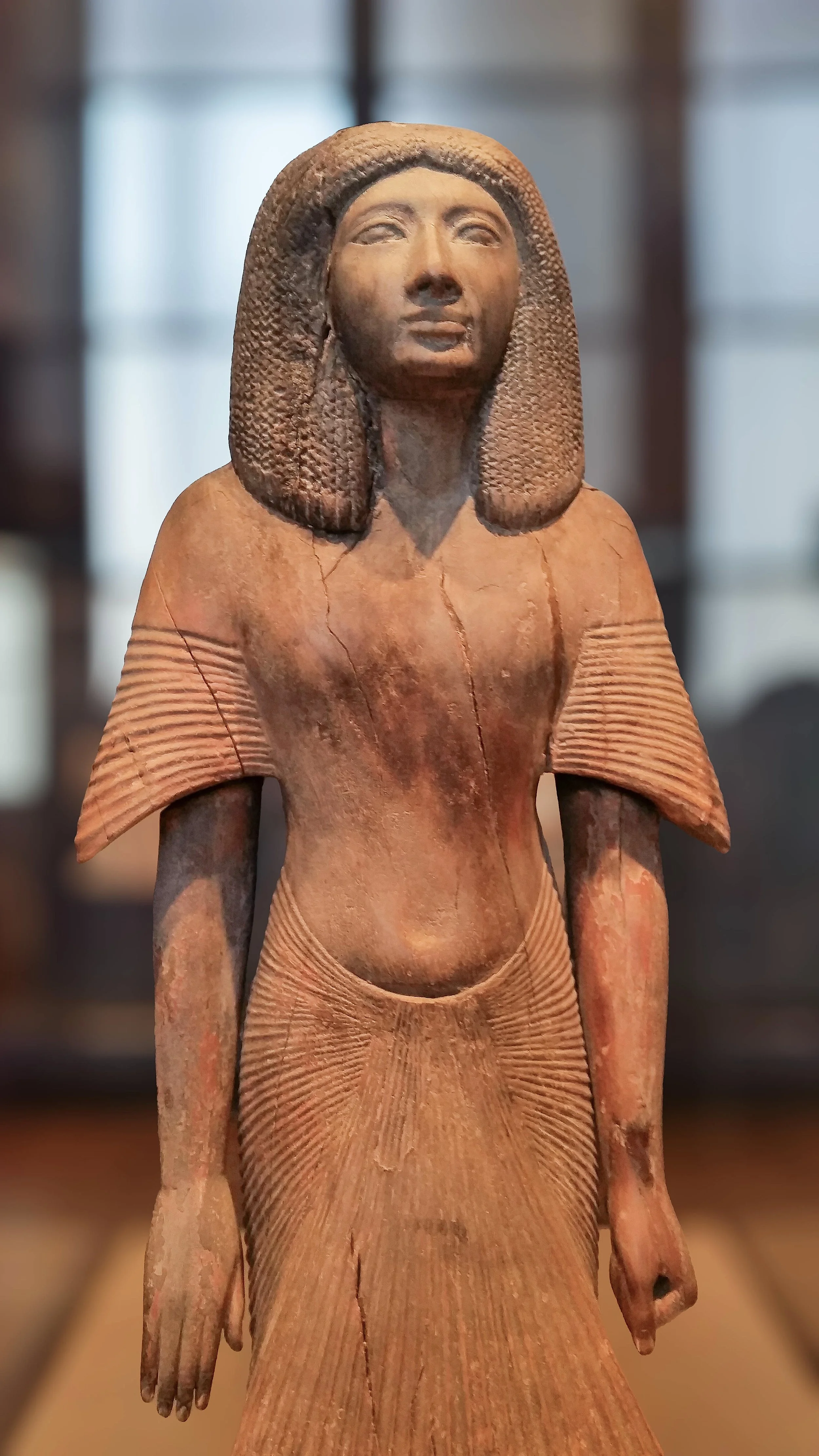
This statue from ancient Egypt presents a young man by the name of Pi3y (possibly pronounced “Pee-ah-ee”).* The figure is carved from acacia-wood, stands about 20 inches tall, and is remarkable for at least three reasons.

One reason has to do with the date of manufacture and artistic presentation. Scholars place this piece at the end of Egypt’s 18th Dynasty, approximately the time of biblical Moses. Pi3y’s details are amazing (check out his curls and pleats). We see here a blend of older traditional elements and newer naturalistic tendencies.

Second, the name of the young man is recorded four times on the piece, once on the base and three times on the back. Pi3y is a common name in New Kingdom Egypt but is not attested earlier.

Third, not only does this personal name affix itself to the figure, so too a title. Pi3y was a “keeper” or “doorkeeper” to the palace. Some believe this to be the position of a guardian, porter, bouncer, or some type of administrator.

I find it fascinating to think about this in the context of Psalm 84:10. Here too, we find mention of a doorkeeper:

"For a day in your courts is better than a thousand elsewhere; I would rather be a doorkeeper in the house of my God than dwell in the tents of wickedness."

In this biblical view, the “doorkeeper” is one who stands at the threshold (Heb. histofef), presumably, of the Solomonic temple in Jerusalem. The focus of this work is admitting the authorized. Given the context, most interpreters suggest that this is a humble task.

The author seemingly proposes that being near to the presence of God is better than human status or ease among the godless.

Returning to the wooden statue of Pi3y, consider the inscription on the back pillar, Pi3y says,

“O Werethekau, lend me your ear, I am your doorkeeper

grant that (I) may remain in the service of my master, that (I) may open (?) his doors.”**

Interesting stuff!

——————————————

*This statue is on disply in the Museum of the Louvre, Paris, Pavilion Sully, Hall 26, Showcase 4.

**For more on the statue of Pi3y, see the article here: https://www.academia.edu/19956252/The_statue_of_the_Doorkeeper_of_the_palace_Pi3y_Louvre_E_124_ (accessed 1/15/2026).

Snacks in the Grass

Most of us understand the idea of the food chain in the natural world (this one eats that one and so on and so forth), but are you aware of the 10 percent rule?

The 10 percent rule suggests that as energy is passed from producers to consumers, the bulk of that energy is lost to life processes (like movement or heat production, reproduction, or waste). Only about 10 percent is transferred from one “link” to another. This reality keeps food chains short (maybe five levels?). It also explains why a healthy food system will have lots of producers but only a few top predators.

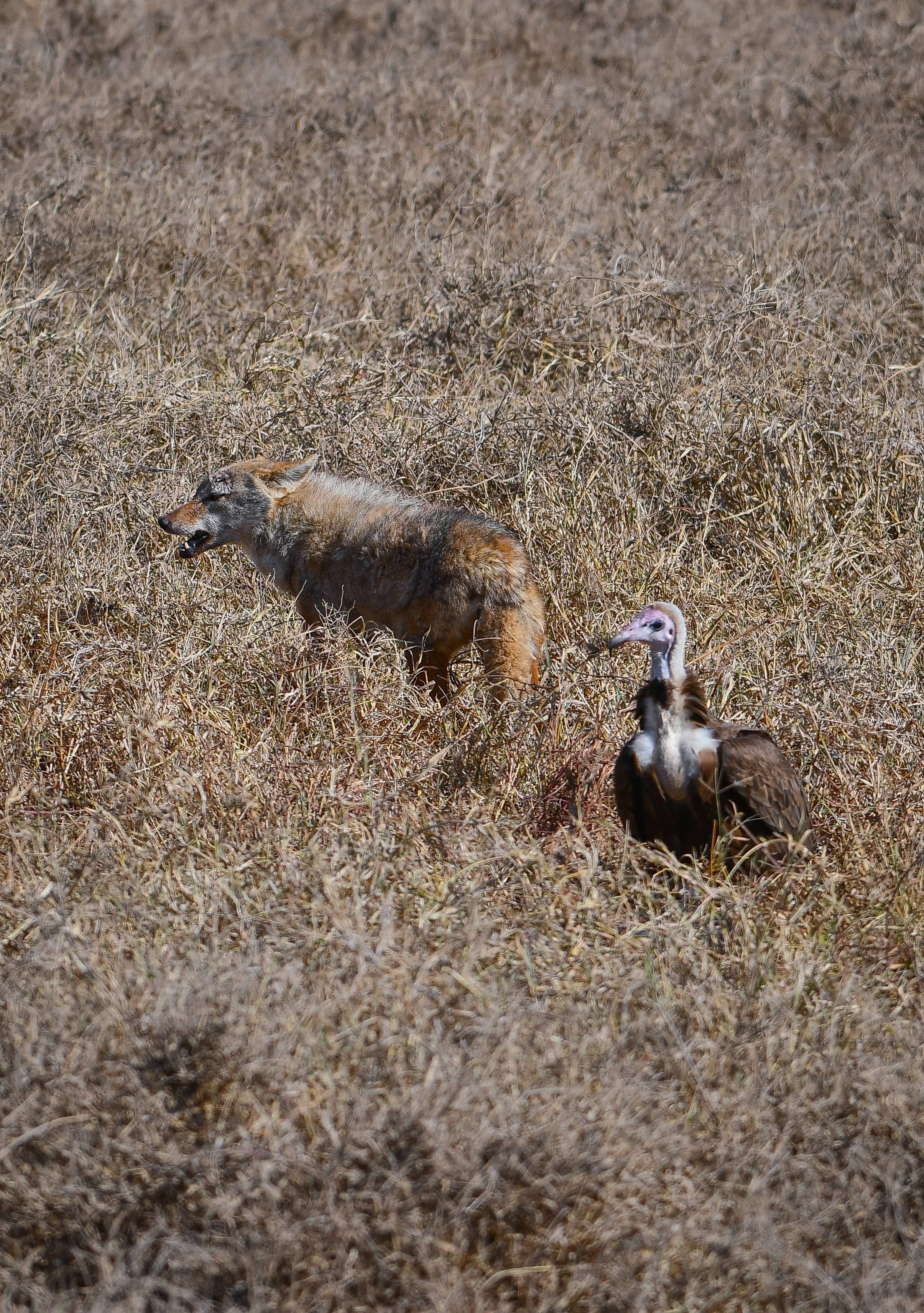
The clean-up crew pictured below is a critical last stop for energy transfer in the Tanzanian grasslands. Scavengers and decomposers break down the last scraps of carcasses (often inedible to others) and release it back into soil. Plants absorb the nutrients from the soil and the cycle begins again (cue the “Circle of Life” tune from Disney’s Lion King).

This system of the food chain is hinted at in Psalm 104. Contemplate these edible bits from vss 27-31:

“All creatures look to you to give the food at the proper time. When you give it to them, they gather it up; when you open your hand, they are satisfied with good things. . . When you take away their breath, they die and return to the dust. When you send your Spirit, they are created, and you renew the face of the ground. May the glory of YHWH endure forever; may YHWH rejoice in his works.”

We spotted this black-backed jackal (Canis mesomelas) and scruffy-looking hooded vulture (Necrosyrtes monachus) cleaning up a kill site in Ngorongoro Crater.

On Tippy Toes

Kirk’s dik-dik (Madoqua kirkii) is a tiny antelope of East Africa. It stands tip-toed, about 18 inches tall.

Toe walking is a feature of ungulates (animals with hooves). The structure of the foot is such that only the toe tips touch the ground; the “heel” is located further up the leg. A hard layer of keratin caps each toe, protecting and strengthening it.

Dik-diks have two weight-bearing digits on each foot (thus, they belong to the “even-toed” or Artiodactyla group).

This foot structure gives this animal speed and nimbleness (they can sprint up to 26 mph and turn on a dime).

Don’t worry if you spot one of these tiny antelope perched high on a rock or on a steep cliff face. They are built for it.

Long and Lanky

Serval cat in the grass. Ngorongoro Crater, Tanzania.

The serval is a long lanky feline found in sub-Saharan Africa. It looks like a big house cat, except for its oddly small head and generously long legs.

Its scientific name, Leptailurus, is a combo-pak out of the Greek, meaning "delicate cat." The common name, "serval," is simply Portuguese for "lynx."

This one was spotted on the crater floor at Ngorongoro. We watched it for a while until a group of lions approached. The serval beat a hasty exit.

Perched on the Rim

View from the rim of Ngorongoro Crater.

That tall plant in the foreground is member of the aloe family, perhaps an Aloe arborescenes. On the crater floor in the distance you can make out the outline of the shallow alkaline body of water, Lake Magadi. The steep drop from the rim to the floor is about 2,000 feet (and is a breathtaking experience by 4-wheel vehicle on a switchback road!).

Ngorongoro Crater is world’s largest intact volcanic caldera.

I shot this image on the occasion of my first visit to the region back in 2017.

Wearing your Woolies

Shepherd and flock, outside of Laodikeia, Türkiye.

I shot this photo hanging out the window and thinking about the ancient message to the church of the area. In the first century, Laodikeia was famous for its textile production (among other things). Glossy, black, and soft fleece tunics from here were coveted around the Mediterranean world. (These outer wraps were nicknamed trimata, suggesting either "three-shades" or "three knits." Laodikeia itself was even known as Trimataria or "trimata-town"!).

Not surprisingly, John of Patmos declared that the Laodikeians were not as well-covered as they thought themselves to be. He urged them to reconsider the source of their wealth and to trade in their iconic black shells for "white garments" (Gk, himatia). Read the critique for yourself in Revelation 3:14-22.

Interested in reading the Bible with fresh eyes? See biblical Türkiye and the ruins of Laodikea. We are headed back there this summer! For details, follow this link to the brochure.

Italy in 2026

Bible Land Explorer is headed back to the Vatican in 2026. The visit will be part of our "Taste of Italy" tour that will sample the cuisine, art, history and archaeology of the peninsula. Venice, Florence, Assisi, Rome, and Pompeii are among our stops. Consider joining us, May 28-June 6, 2026. For details, see the link here: https://www.jcbs.org/tours/jx26052826z62606

Anniversary of sorts

Mark at the Roman Theater, Caesarea Maritime, Israel-Palestine.

This is an anniversary of sorts. I've been recording our travel experiences for 14 years now. The exercise has been good for me. It encourages the discipline of communication. It helps me remember moments that would otherwise be forgotten. It makes me listen more closely to the voices around me. And finally, for those who can overlook my ego, poor humor, and techy fumbles, it underlines the role played by archaeology, history, and geography in biblical studies. "Experiencing the place where faith begins" has been our goal from the start. I hope we've hit that target once or twice!

Since I am home for the holidays, I am trying to collect all of this imperfect material in one place. You can find it on our website at BibleLandExplorer.com. Click the top tab labeled "Our Stories (Blogs and Vlogs)" or click this direct link https://mark-ziese.squarespace.com/stories. The sidebar organizes stories by topic or region.

Going forward, I will continue to post regularly both here and on YouTube. By God's grace, wobbly knees, and your likes and subscriptions, we'll keep moving.

Spotted Hyena

Spotted Hyena in the Ngorongoro Conservation Area.

"Whoo-whoop, cackle-cackle" says the Spotted Hyena.

With Christmas in the rear view mirror, we start thinking safari again. Our February 2026 Serengeti excursion is full, but we will soon be opening seats for 2027. Isn’t it time for you to experience one of the last great wild places on earth?