Exploring Turkey

Galata Bridge

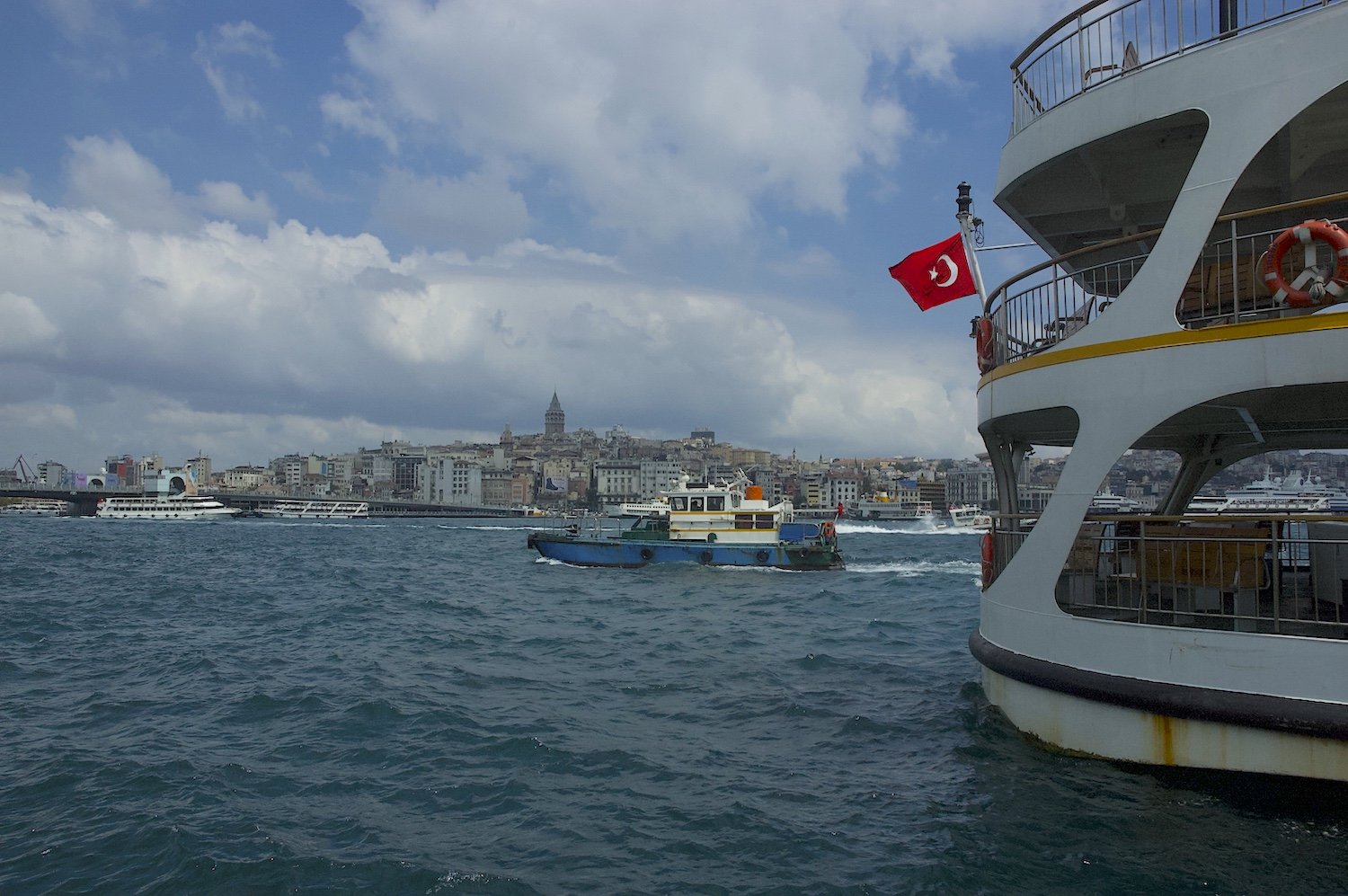
The Galata Bridge is a cross-cultural artery in the beating heart of Istanbul. The 490-meter span stretches the breadth of the Golden Horn, an inlet of the Bosphorus Strait. Pedestrians, vehicles, and a tram move across the upper deck that links Eminönü with Galata. It is truly a cross-cultural experience: Eminönü has deep Ottoman connections while Galata has a European flavor.

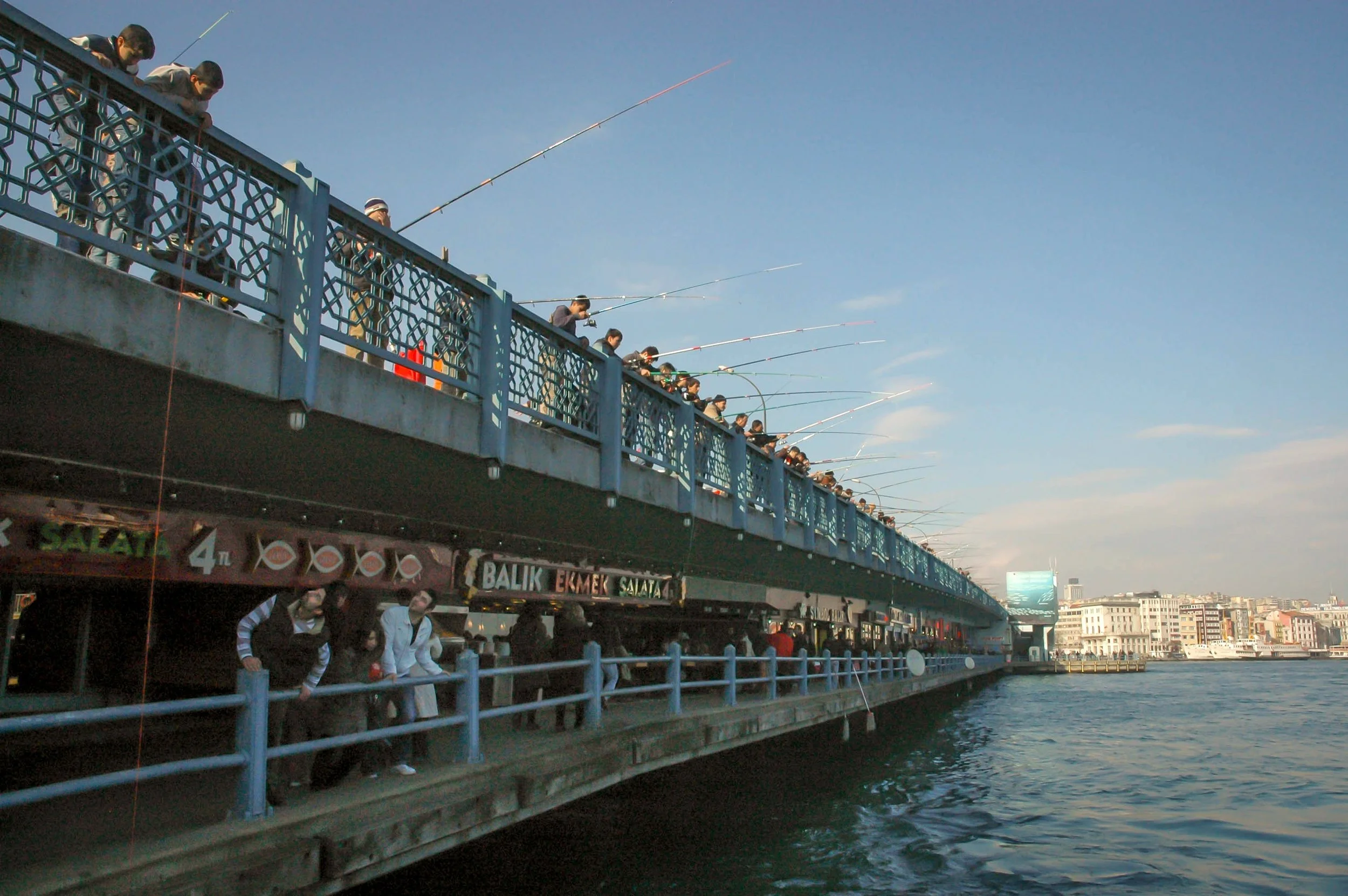
The current bridge—built in 1994—is the fifth installment of structures in this place. Like its predecessor, it has vendor stalls and eateries on the lower deck. (I must confess: I’ve enjoyed several grilled fish here, perhaps caught by one the fisherman lining the rail?) Among those who worked on the original 16th c bridge design? Leonardo da Vinci and Michelangelo!
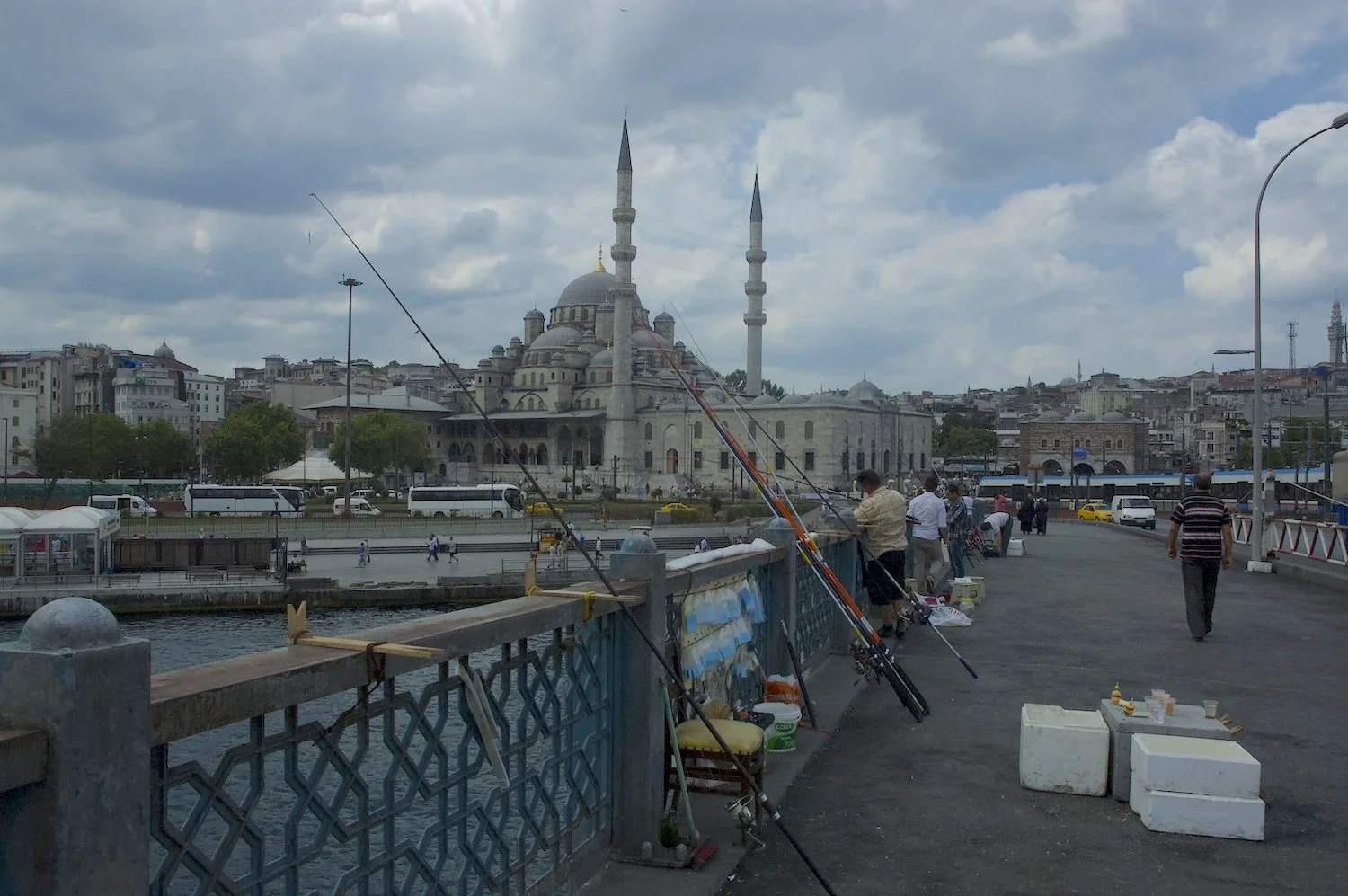
The modern bridge is raisable—or bascule. Leaves in the central span swing upward to allow ships to pass.

I Sing (or Croak)

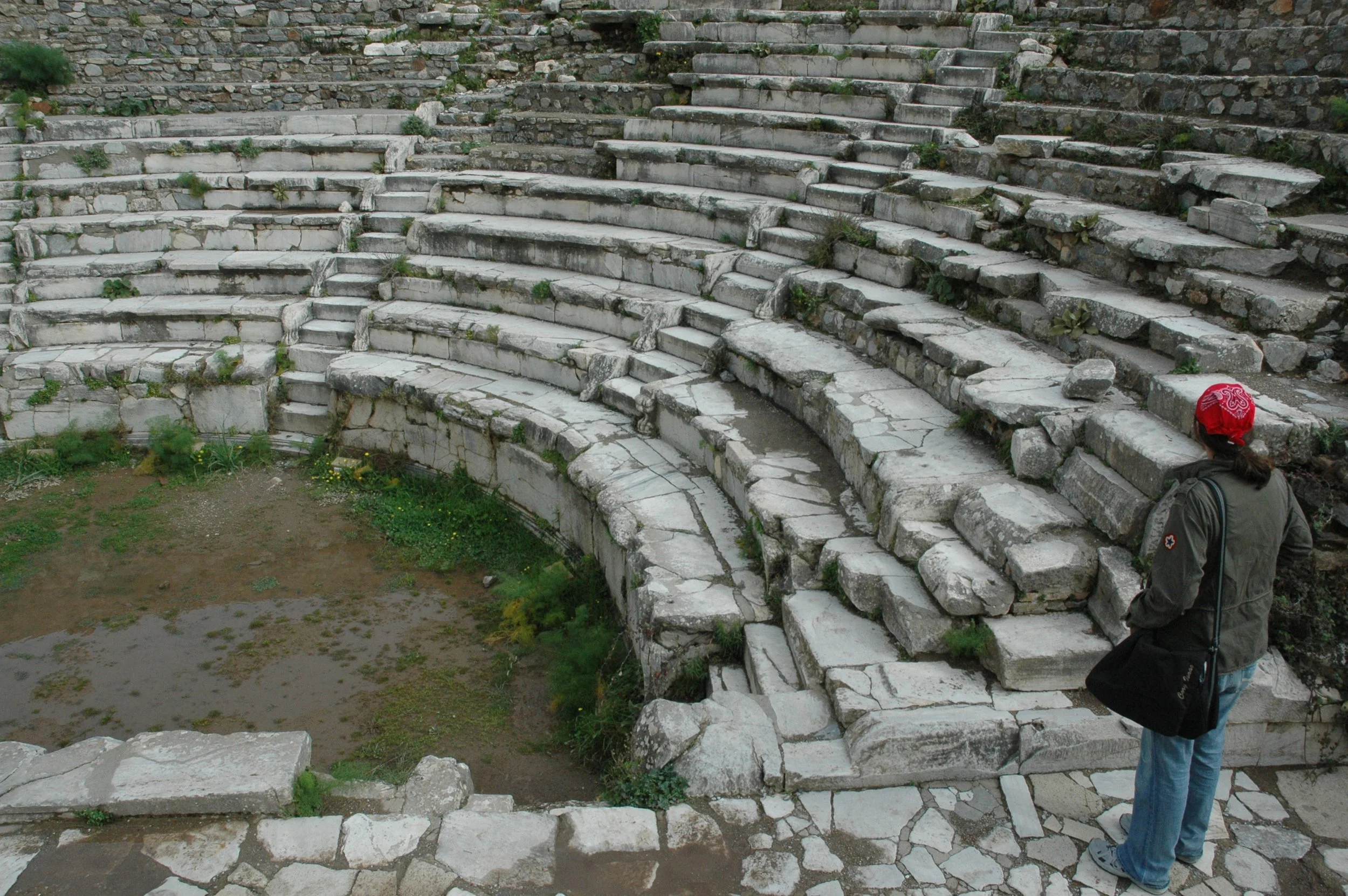
A “little theater” may be found in urban areas of the classical Mediterranean world. It is usually freestanding (not built into a hillside), U-shaped, but has less seating than a theater. This reduced scale offered a more intimate environment. The "little theater" was designed for musical performances, lectures, or recitals.

Such a structure is called an odeon (ōideion). The label is Greek, prompted by the verb aeidō, meaning "I sing” — or “hoot,” “howl,” or “croak.” (I guess one man’s meat is another man’s poison!)

Apart from their diminutive size, the other feature that separates the odeon from the theater is the roof. Whereas theaters were open to the sky or shaded with tarps, odeons had solid, wooden roofs that produced superior acoustics. Unfortunately, organic materials rarely survive the ravages of time.

Pictured above is an odeon found at the site of Ephesus, in Western Türkiye.

We plan on returning to Ephesus this summer to sing, howl, and croak. Won’t you join us?

Creedal Hamlet

Here’s a view taken on a winter’s day from İznik, in northwest Türkiye. I scampered to the top of the Late Roman/Byzantine fortifications and pointed my camera lens into the wind and to the distant mountains, still blotchy with snow. This region appears in the New Testament as Bithynia (Acts 16:7, 1 Peter 1:1).

İznik was once called Nicea. This was the site of the first and seventh ecumenical councils of the early Christian Church. Here (in AD 325), surrounded by these same mountains, the words of the Nicene Creed were hammered out. These words are still repeated by many of us today:

“We believe in one God, the Father, the almighty, maker of heaven and earth, of all that is seen and unseen. We believe in one Lord, Jesus Christ, the only Son of God, eternally begotten of the Father, God from God, Light from Light, true God from true God, begotten, not made, of one being with the Father. . . ”

On a lighter note, at this same council, Saint Nicholas (the historical figure behind Santa Claus) punched a bishop in the face.

It was a hot time in the old town that night.

She was a Man-Eater

She was a Man-Eater

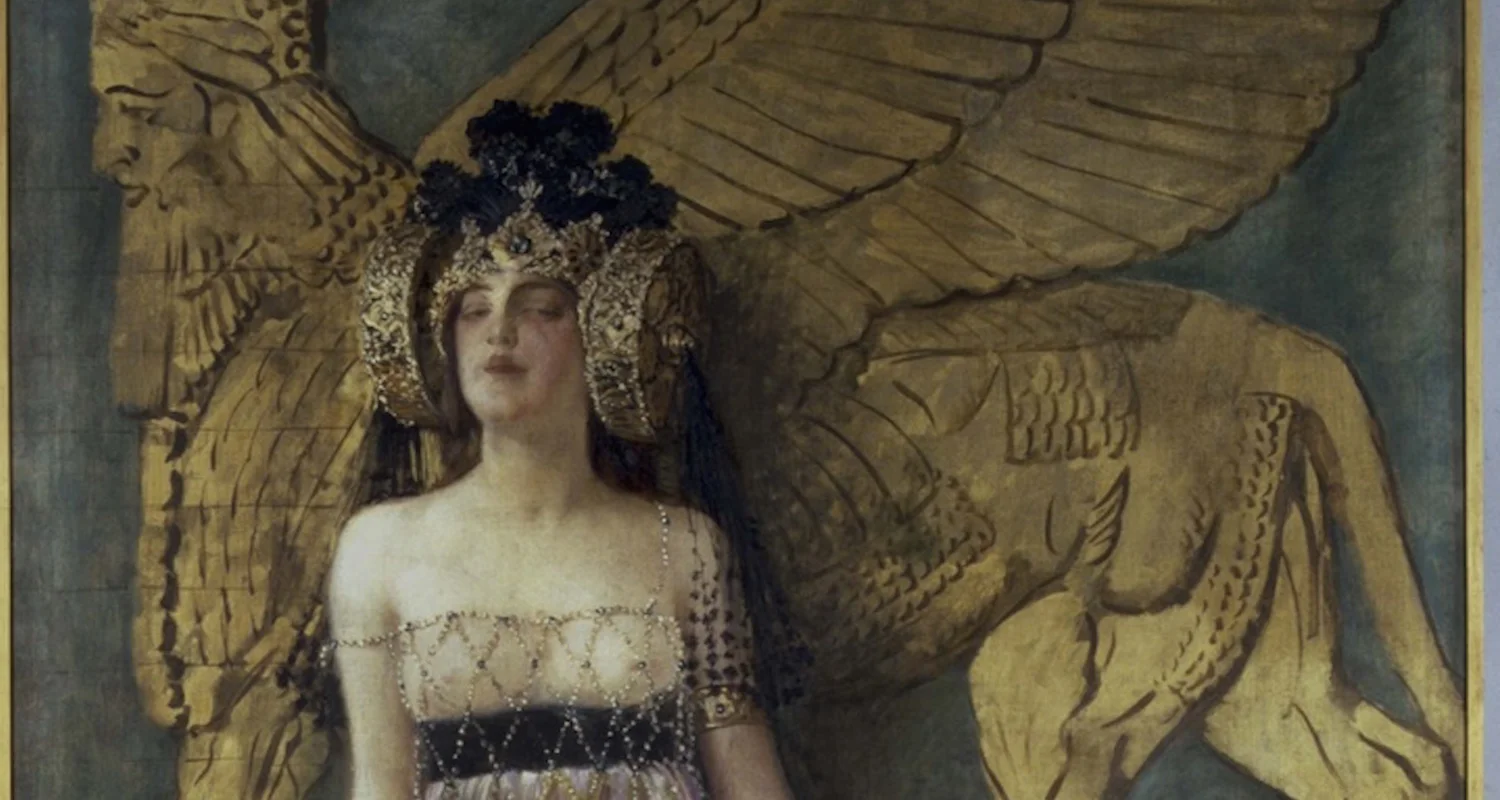
I might as well be hunting SheSquatch. Queen Shamiram of Assyria is nimble and elusive, yet enormously powerful. Like her sisters of blood-legend, Zenobia, Jezebel, or Cleopatra, it is hard to know where truth ends and fiction begins.

Urfa's Dergah

Urfa is a different town by day.

The night before, when we filed though Urfa’s bazar and dergah, it was a cacophony. Buyers and sellers haggled. Families socialized and ate. Hollering, honking, munching, braying and wailing filled the sultry air. Every space was contested. Tanner was wide-eyed. “Welcome to the Middle East,” I had shouted. Dir balak! “Be careful!”

Abraham's Home

I stand in a paved courtyard. Surrounding me is a cluster of dwellings constructed of mudbrick (or adobe). A discovery like this is not unusual in a region where wood is scarce and temperatures are extreme. What is odd is the way in which the overhead space is closed. Bricks are stacked in concentric circles that rise upwardly from thick stub walls. They culminate in a tiara made of stone that crowns a tiny chimney hole. I marvel. These are tepees of mud, sedentary versions of the pastoralist’s tent.

Hot Camel Flies

It is hot. The breeze blowing across the Mesopotamian plain carries no refreshment, only dust.

I do what comes naturally in this part of the world: I recline in the shade of a goat-hair tent and sip hot çay. The tea is served in a tulip glass lacking a handle, so I sip carefully but quickly. I hang on the rim to avoid burning my fingers. My companions do the same. The glasses dance.

A Provincial Place

The mound emerges through the haze.

“There it is!” I shout to my companions. They respond with the kind of noises that men make when they have seen one site too many. They know where this is going.

Manuel's Labor

We approach the church that Gagik built. Except Gagik didn’t really build it. He commissioned an architect-monk named Manuel to do the hard work. Of the 10th century complex erected on the island of Aghtamar, the only structure that survives is the Church of the Holy Cross. We are fortunate. Manuel’s labor is a triumph of medieval Armenian architecture.

Agh Tamar!

The beautiful princess lifted the light and he swam for it. The island where Tamar stood was distant, but with the light as his guide, the peasant boy had direction. On this night, however, the forbidden relationship was discovered. The beacon was smashed to the ground. Disoriented by the sudden loss of signal, the lad swam on and on in the dark. At last he became exhausted. He began to slip beneath the waves. He cried out her name, “Agh Tamar!” These words, his last, were carried away by the wind.

Bullets

The ridge abruptly rises near the lake’s edge. It is more than a half mile long and hundreds of feet high. The flat ground extending from its base (undoubtedly a flood plain from more remote times) renders the promontory all the more stunning. Walls and towers cling to the rock like barnacles. I wonder why these man-made constructions were thought necessary. The plunge to the flat is so vertical, so awful, that the ridge ably protects itself. 

The Dead Sea (Turkish Style)

The Dead Sea (Turkish Style)

The air is thick where the Bendimahi meets the Gulf of Ercis. Deprived of energy (and all hope of escape), the mountain stream creeps reluctantly across the floodplain before slipping under the waves of Lake Van. Slender reeds bend to watch the demise. It is not a unique spectacle. Gravity forces every stream in the region to the same end. The basin simply has no exit. Van is an endorheic sea, a marine cul-de-sac. I lean forward, ponder this fact, and look in vain for the terminus. Between the mud, reeds, and island clumps I cannot tell where river ends and sea begins.

Pearl Mullet

About the time of the Apostle Paul, Pliny the Elder carried the eagles of Rome. He mistakenly believed that Lake Van was a part of the Tigris River system. Since he could not locate an exit for the water, he surmised that the lake was drained by a hidden underground cave. A special fish lived here.

Lost Love, Lost Kingdom

The road unwinds outside our vehicle. We do the same on the inside, quietly resting after our experience of Ağrı Dağı. My head bumps against the glass, eyes half closed. This, despite the extraordinary landscape.

The Hammam: An Untold Story that Should Probably Remain Thataway

Just to be clear, it is not my idea. Neither is it the idea of the six. But they go along. All of us go along. This much cannot be denied, although I am certain that some might try to when we get home. Curiosity, more than anything else, is the motivator.