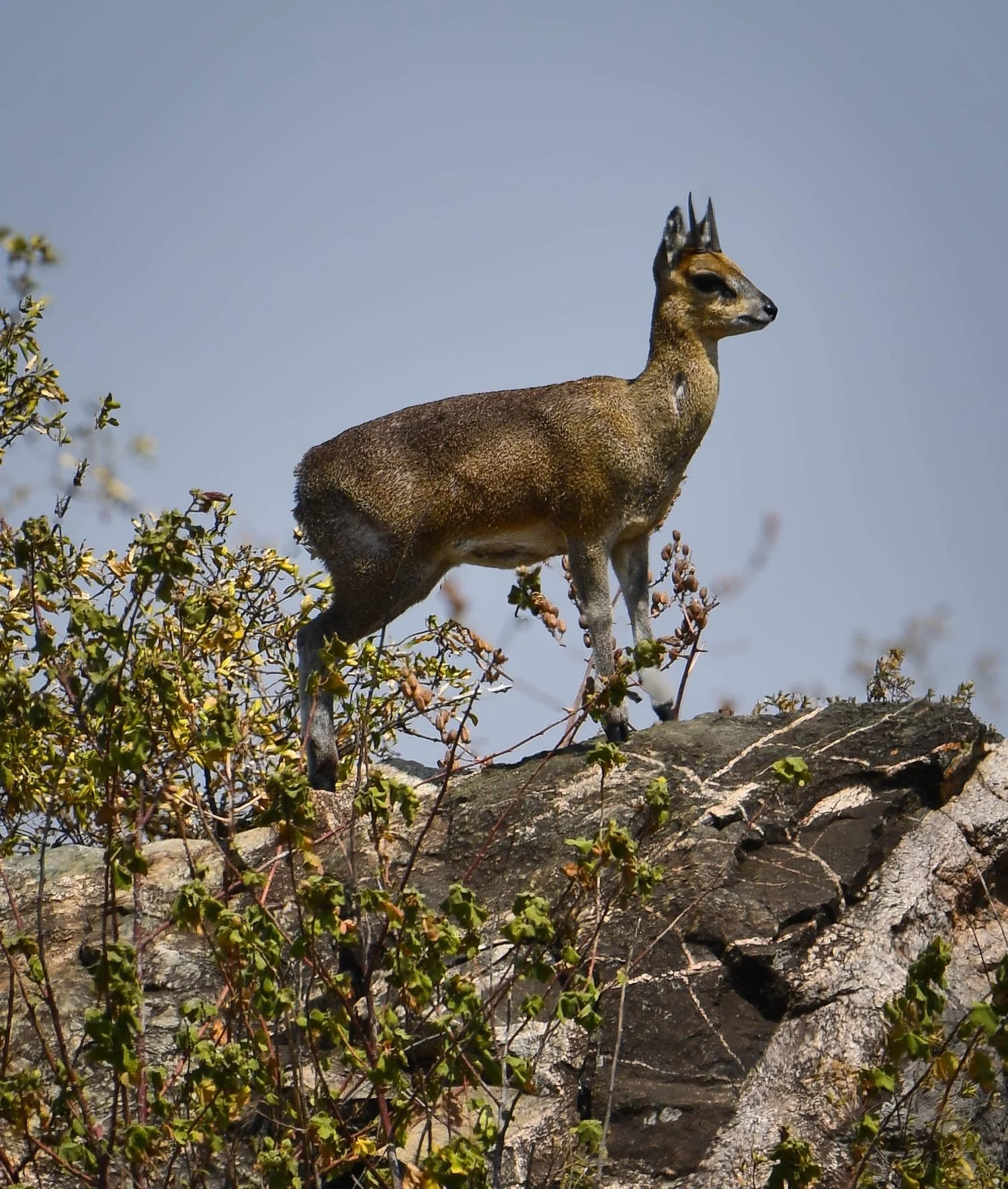
If you are out exploring in the bush of East Africa, keep your eyes low. You might just spot Kirk’s dik-dik (Madoqua kirkii), one of the world’s smallest and most endearing antelopes. Standing only about 18 inches tall, this tiny creature is a marvel of design.
The Science of "Toe Walking"
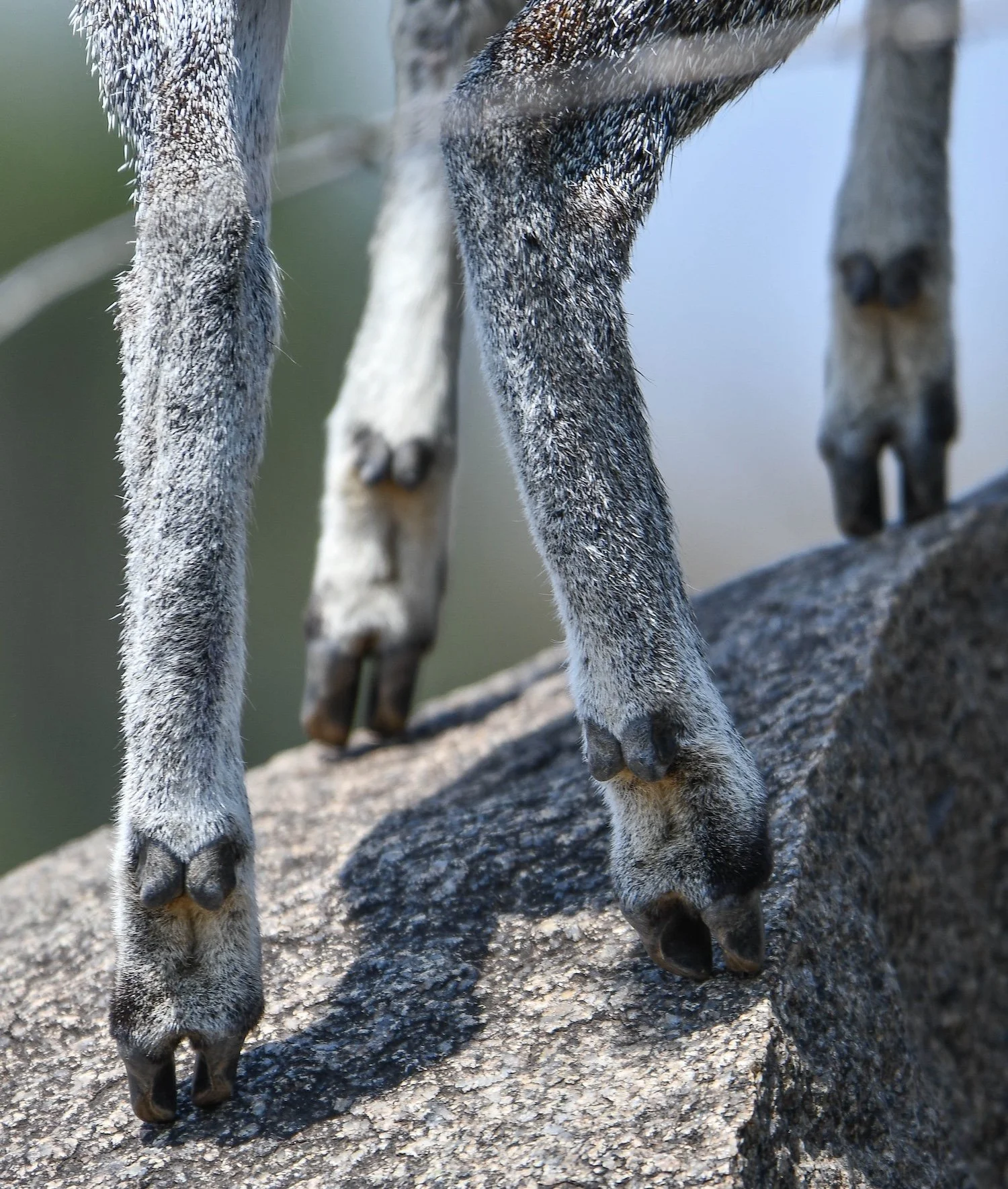
If you look closely at a dik-dik, you’ll notice it seems to stand permanently on tip-toe. This is a defining feature of ungulates (hoofed animals).
In this specialized foot structure, only the tips of the toes touch the ground, while the "heel" is located much further up the leg. To protect these contact points, a hard layer of keratin caps each toe, providing both strength and durability for rugged terrain.
The "Even-Toed" Advantage
Kirk’s dik-dik belongs to the Artiodactyla group, or "even-toed" ungulates. They possess two weight-bearing digits on each foot. This specific anatomy isn't just for show; it provides a distinct survival advantage:
Speed: Despite their size, they can sprint up to 26 mph.
Agility: Their foot structure allows them to "turn on a dime," making them difficult for predators to pin down.
Stability: This is why you might see a tiny antelope perched high on a jagged rock or a steep cliff face. They are built for the heights!
Don’t worry if you spot one of these tiny antelopes in a seemingly precarious position. Between their keratin-capped toes and their nimble weight distribution, they are perfectly at home on the edge.