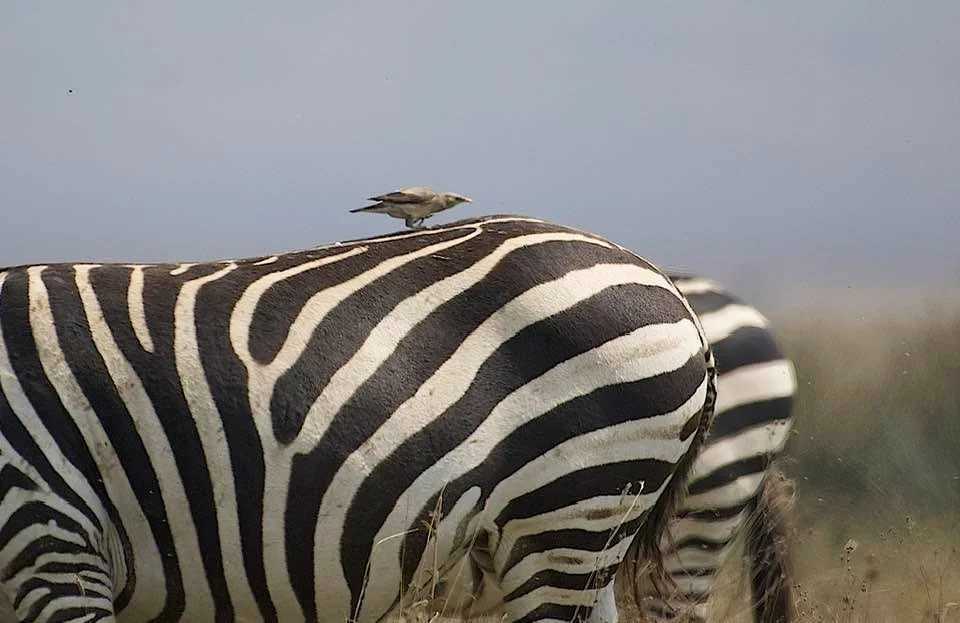
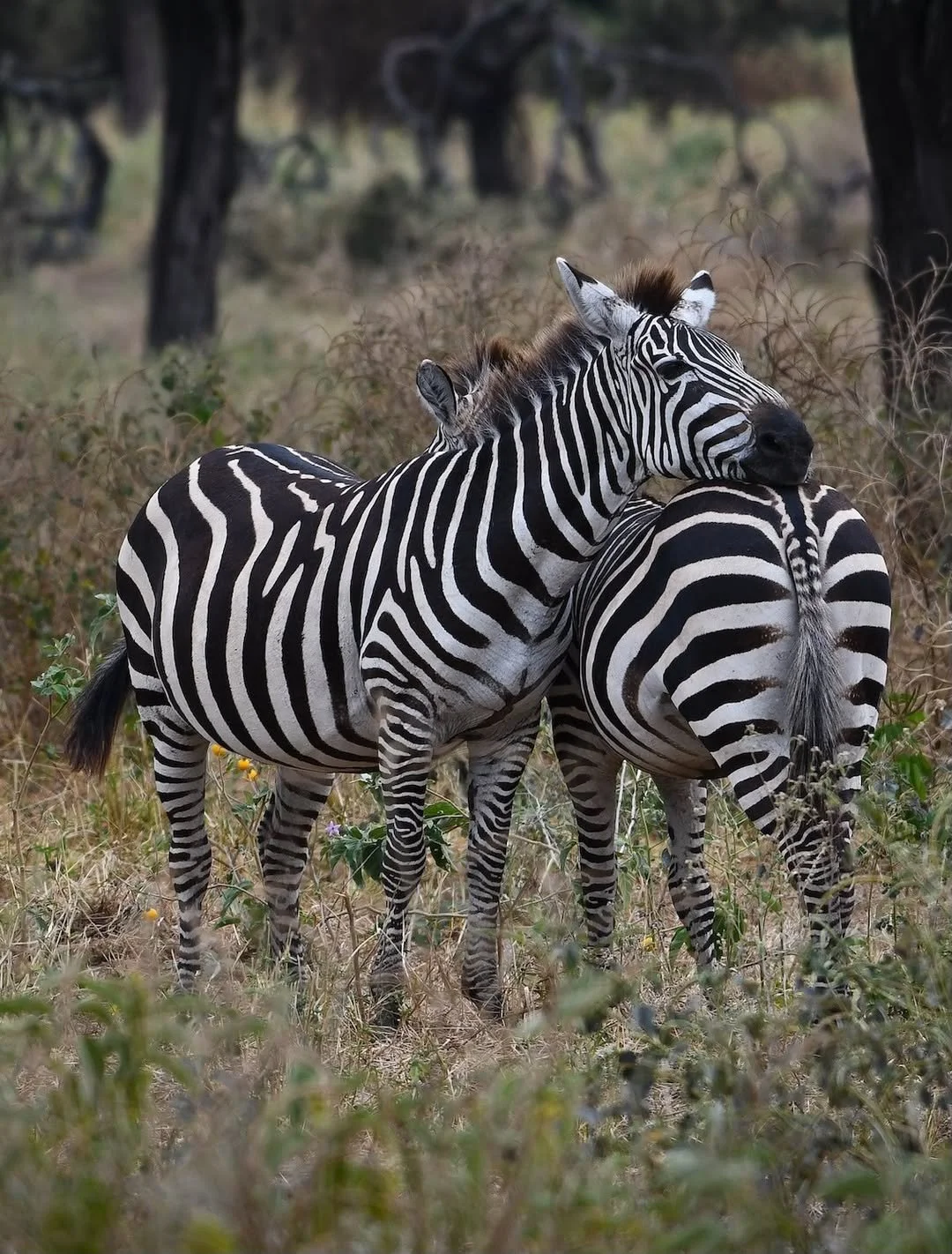
A pair of zebras practice reciprocal resting in the Serengeti National Park, Tanzania.
Survival strategy
While it looks like a cozy zebra hug, this behavior is a clever survival strategy designed for the harsh African savannah. Specialists call it “reciprocal resting.”
Here is why zebras stand chin-to-back:
360-Degree Vigilance: By facing in opposite directions, a pair of zebras creates a complete lookout system to spot predators like lions or hyenas from any angle.
Rest for Tired Necks: Standing all day is exhausting. Resting their heavy heads on a mate’s back allows them to relax their neck muscles while remaining upright and ready to bolt if needed.
Social Bonding: This physical closeness is a key form of social grooming and interaction, helping to reinforce the trust and strong bonds within their family units.
Insect Defense: In this position, their tails are near each other’s faces, allowing them to swat away biting flies and other annoying insects for one another.
Just as we hold hands for connection and security, zebras lean on each other to stay safe and connected in the wild. Ok, the parallel is not exact, but it warms the heart, doesn’t it?
Experience the Magic of the Serengeti
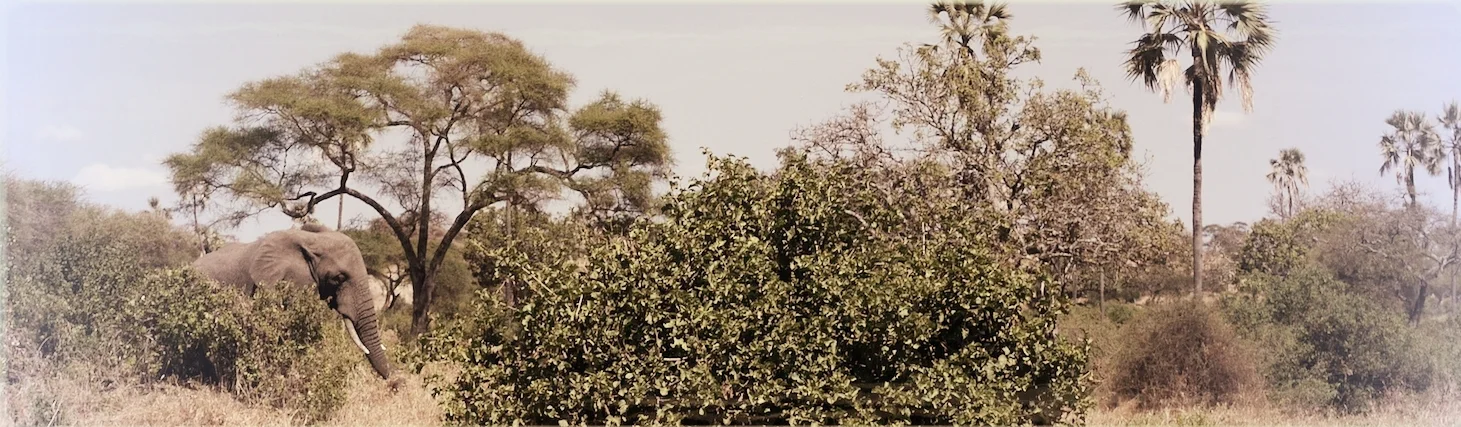
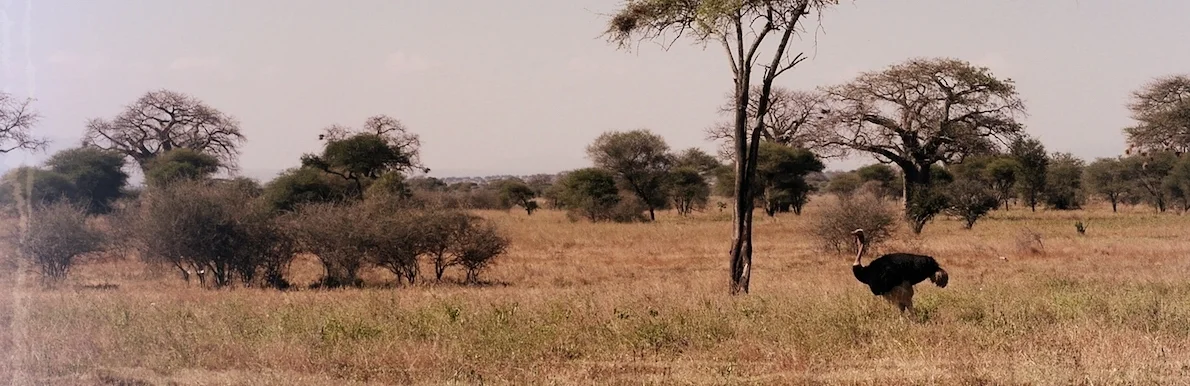
Nothing compares to seeing these social bonds in person. Witness the Great Migration and the unique behaviors of Africa's iconic wildlife up close.
Safari 2026 - Reservations closed. All seats taken.
Safari 2027 - Details TBA. Email us here to receive notification when registration opens.